The Fall of Granada 1492: Spain’s End to Centuries of Al-Andalus Rule
A kingdom defying gravity. Holding out for ages. Eight centuries! That was Al-Andalus, a Muslim civilization rocking the Iberian Peninsula. Meanwhile, Christian kingdoms slowly, brutally took land back. But as 1492 dawned, that whole vibe was about to change. The Fall of Granada 1492? Not just the last piece to fall. It was epic. End of a super long, complex fight. Dawn of a new, unified Spain. Bam. You think your landlord’s tough? Try Ferdinand and Isabella. Just saying.
The Reconquista: A Centuries-Long Struggle
It all started in 711 AD. Muslim forces, led by Tariq ibn Ziyad, just rolled over the Visigothic kingdom at Guadalete. Basically, the whole Iberian Peninsula – Portugal and Spain today – became Muslim land fast. Some called it Al-Andalus, a golden age. But for Christians? Just “years of occupation.”
But resistance? Nope. Never snuffed out completely. Popped up from northern mountains. Small Christian bunch. Big win at Covadonga in 722. Pelayo led it. The spark! The true start of the Reconquista, baby. Christian “reconquest” of Spain.
Out of those rough northern peaks, Asturias grew. Became Leon. Heart of Christian fight. Gave birth to places like Castile, Galicia, and Navarre. And another thing: Even Carolingians jumped in. Set up a buffer south of the Pyrenees. Totally.
Rise and Fall: Dynasties, Kingdoms, and Shifting Alliances
Muslim leaders in Al-Andalus? Not always together. By the 11th century, they split into Taifas. Just a bunch of little emirates. This division? Big break for the Christians.
Toledo, old capital, went to Castile in 1085. Massive blow. Mentally, strategically. But then, shocker! Almoravids from North Africa in 1086. Walloped Castile at Zallaqa. Tides shifted.
Then came the Almohads. 12th century. Picked up the pieces. Got power back. Even beat Castile at Alarcos in 1195. But, things change. 1212 arrived. Castile, Aragon, Navarre? Teamed up. Crushed the Almohads at Las Navas de Tolosa. Devastating. The game was mostly over for Muslim Spain then. One spot left: the Emirate of Granada, started in 1238. Last one standing.
The Holy War: Religion’s Pivotal Role
Not just land, either. Right from the start, the Reconquista was sold as a holy war. God’s special job. Papacy? Totally on board. Said it was like more Crusades. Pardons for sins! Special taxes for the war money. Kings and queens in Spain literally called themselves “God’s warriors.” Crazy.
Big deal for the Virgin Mary. Her cult grew. Mosques? Turned into churches. For Mary. Muslim saints? Replaced. New Christian ones popped up. Catholic Church? They weren’t just blessing the fight. They were the fight. Handling everything: making people Christian, schooling, running the new places.
At first, a little space for Mudejars (Muslims) and Sephardim (Jews) under Christian rule. A bit of leeway. But 15th century? Tolerance gone. The Inquisition, started in 1478, well… It became full-on intolerance. First targeted Jewish converts. Then Jews. Then Muslims. Everyone. Catholicism? More than religion. It was being Spanish. Bang.
Granada’s Last Stand: Surviving Against the Odds
Granada, the Nasrid Emirate! Had Malaga and Almeria. Hung on for centuries, somehow. How’d they last so long against growing Christian armies? Seriously. Complicated stuff.
First off, Castile and Aragon – the two big Christian kingdoms – had enough of their own drama. Always fighting each other for the throne, inside rebellions, noble disputes. 13th to 15th centuries. A lot was going on here. Castile was tied up north. Leon, Portugal border, Navarre stuff. Aragon? Gazing at the Med. Sicily, Naples, Sardinia. Big plans. So, that rivalry? Kept them from looking south too much.
Also, Granada had perks. Sierra Nevada mountains. Hilly, rugged terrain. Defending the city? Genius strategy. Seriously good. Strong castles. Mountain passes. Naturally defended. Plus, Muslims and Jews flocked there, fleeing other places. Boosted the economy. Very active. Granada was rich! Silk. Smart irrigation farming in Vega valley. Busy Med trade. Cash. All that money? Strong army. Paid mercenaries.
Talks and deals helped, too. Granada played on Castile’s own internal fights. Even tried to team up with Portugal or local warlords. Something important: North African buddies. Especially the Marinids, just over the Strait of Gibraltar. Didn’t always work perfectly, those friendships. But prolonged Granada’s run. No doubt.
Ferdinand and Isabella: The Unified Front
Late 15th century? Granada weakening. More internal fighting. Overseas help? Less and less. But the big deal? 1469. North. Isabella of Castile married Ferdinand of Aragon. Game changer.
Boom. Two Christian kingdoms, super powerful. One crown. Land and sea power? Combined. Massive. For Fer and Isa, taking Granada wasn’t just religion. It was about focusing their restless nobles. And making royal power stronger. Queen Isabella… Super Catholic, kinda fanatic. She mixed politics and powerful religious reasons. She was the engine here. Main organizer of the final assault. Her view? Clear. Get rid of Muslim rule. Finally. Enough now.
Granada and Castile’s truces? Snapped. Over. Lots of hitting back and forth. Taking and retaking places. Alhama, big one. War just blew up. Their shot. Now.
The Final Siege: The Fall of Granada 1492
Ferdinand tried to end it fast. Took Loja, failed. Not a quick job at all. Nope. Spanish navy out there. Smart move. No North African help coming in. Meanwhile, Granada falling apart. From within. Boabdil, just a kid Prince, revolted against his own dad, Abul Hasan Ali. Took the throne. Inside? Chaos.
Spanish strategy? Brutal. Burn the farms, grab castles one by one, march right on Granada. Isabella, she said this famous thing. About Granada, like a pomegranate, the city’s symbol. “Pluck out its seeds one by one.” Over time, Spanish forces? Stronger. Their armies bigger. Guns? Way better. Cut off all paths for Muslim help. Used the Inquisition’s sheer terror to make everyone scared.
Ronda fell. Water cut off. Marbella too. Crushed the west. Abul Hasan had a stroke. Gave power to his brother, El Zagal. Even El Zagal got squeezed. Boabdil? Back with Isabella. A Spanish vassal. Just a puppet.
Attacks? Rampant. Velez Malaga and Malaga. Besieged. 1487. Malaga finally fell. Months of brutal fighting. Spanish commanders then unleashed it. Ugly violence. Enslaved Muslims, Jews. Sent captured soldiers as “gifts” to kings. Used Christians who became Muslim as spear targets. Burned apostates alive. Terrible. A city, 800 years alive and full of life, became a burial ground. Just like that.
By 1490? Only Granada left. Boabdil? Saw the writing. Felt betrayed by Fer and Isa. Tried a desperate pushback. Musa ibn Abul Gazar, a fiery defender, got people going. “Nothing to lose,” he yelled. “No home, no land without this!” But the end neared. Spanish built Santa Fe. A whole city for the siege. Stone. Mortar. Winter? No problem. They were staying put. Resistance? Kaput.
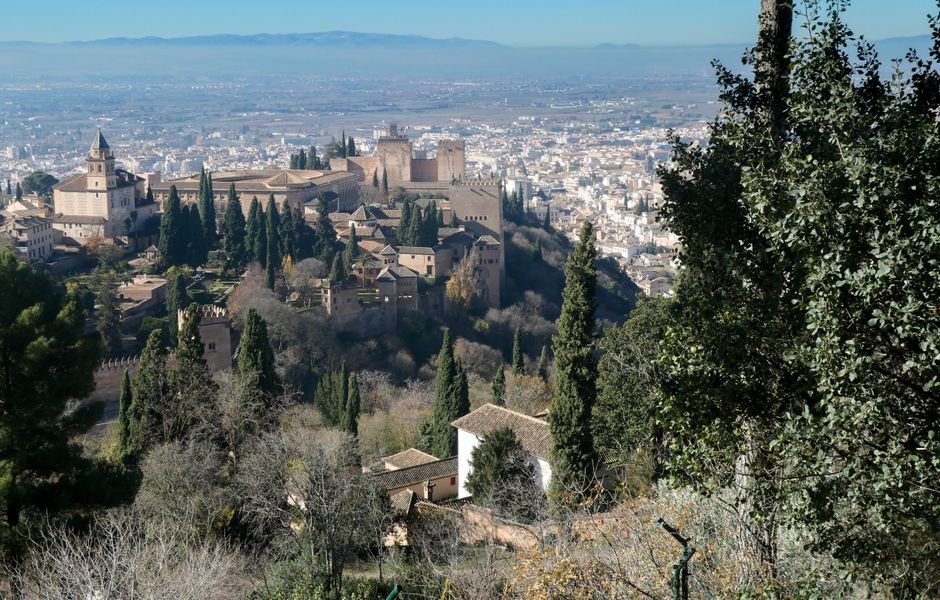
October 1491. Secret talks started. Boabdil, scared of his own people’s anger, signed the surrender. November 22nd. Musa? Refused to give up. Suicidal attack. Died in the river, just outside the city. Brave but futile. January 2, 1492. Granada surrendered. Done. Isabella, Ferdinand. Dressed to the nines. Into the city. Christian flags over the Alhambra. High up. Eight centuries of Al-Andalus. Its good times, its bad times. Gone. Just history now.
The Sigh of the Moor: A Bittersweet End
Outside Granada. Foothills of Sierra Nevada. Boabdil, the very last Sultan, stopped his horse. Looked back at Alhambra’s red walls. Fertile Vega valley he lost. Everything. Tears fell. His mother, Fatima. Standing by him. Said words that still echo: “Weep like a woman for what you couldn’t defend as a man.”
That sigh. “El Suspiro del Moro.” Not just one guy’s heartbreak. No. It was the ending. Last breath of a whole culture. Shone bright for ages in Europe. For Ferdinand and Isabella? Unified, Catholic Spain was born. Big win. Start of a new time. But for Boabdil? Granada was just awful memory. A ghost of a world, gone for good.
Frequently Asked Questions
So, what started the Reconquista?
Well, 722 AD. Battle of Covadonga. Some say that was it. Pelayo led a small Christian group. Symbolic win against Muslims up in the northern mountains. That was the beginning.
How’d Fer and Isa getting hitched change things for Granada?
- They married. Made Castile and Aragon – two big Christian kingdoms – into one. Big power move. This combined force let them pull all their stuff together. Royal power? Solid. So, they just kept pushing. Hard. Right for Granada until the very end.
What’s ‘El Suspiro del Moro’ mean, anyway?
“The Sigh of the Moor.” That’s what it means. It’s about Boabdil. Last Muslim sultan of Granada. Stopped on a mountain pass. Looked back at his lost city. And cried. His mom’s famous line – “Weep like a woman for what you couldn’t defend as a man” – just stuck. A sad, painful end for a great culture in Europe. Poignant, definitely.