Yo, Hydrogen Cars: What They Are, Why They’re Cool, and Where They’re Headed!
Yo, stuck in bumper-to-bumper traffic again, daydreaming about a cleaner ride? Out here in California, we’re always chasing that next big thing for green transportation. Not just for our daily commutes, but for everything that keeps our massive state moving. And lately, there’s been a whole lot of buzz around Hydrogen Fuel Cell Vehicles. Think beyond the typical electric car; this stuff brings a different kind of feel to sustainable driving. It’s totally intriguing, especially if you want that chill intersection where innovation meets eco-friendly wheels.
Hydrogen Rides: Just One Part of the Puzzle
Here’s the deal: a global shift towards electric mobility? Super important, no doubt. But for the big automotive companies, thinking battery electric vehicles (BEVs) are the only solution is just too easy. Imagine trying to power heavy-duty trucks, trains, ships, or even aircraft solely with massive batteries. That’s a mess. It’s a complex equation with no single answer, and that’s precisely where Fuel Cell Electric Vehicles (FCEVs), you know, hydrogen cars, roll in. They’re super important for a big change for everything, especially when we talk about the bigger, harder-to-decarbonize kinds of transport.
Big Players Going Big
We’re not talking some fringe science project here. Nope. Major car makers are sinking serious cash into hydrogen fuel cell tech. We’re talking Toyota, a company that’s been on this path for over 50 years already. They even have models like the Hilux H2 in production.
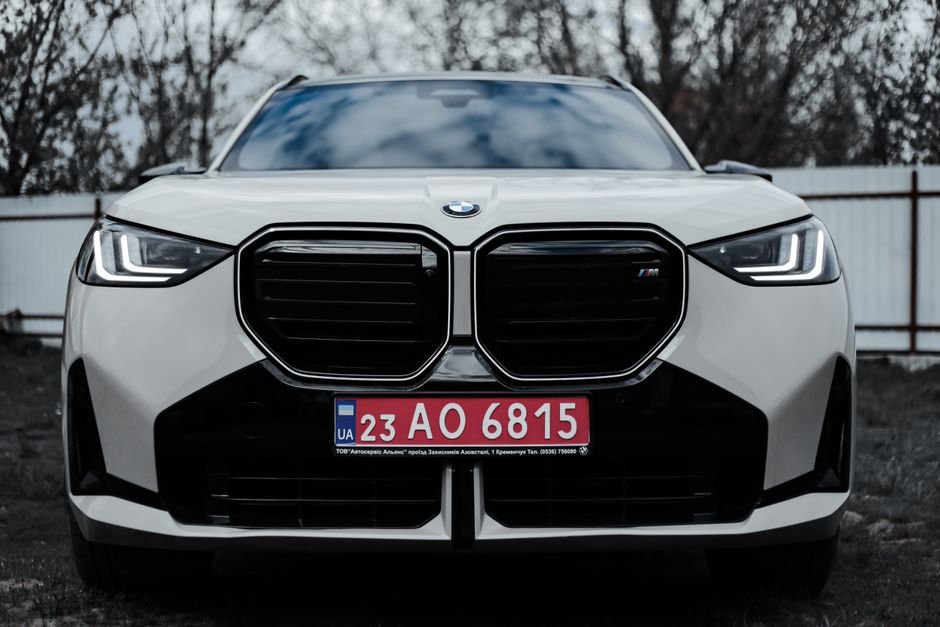
And another thing: BMW announced a hydrogen variant of its iX5 model arriving by 2028, using Toyota’s smarts. Renault showed off a hydrogen Master van prototype. Heavy-duty vehicle makers like Mercedes, Ford, Scania, Iveco, and Man are rolling out their own hydrogen-powered trucks and buses. Because even the Stellantis group (think Peugeot, Opel, Citroen, Fiat — all those guys) and South Korea’s Hyundai are powering ahead with hydrogen buses and commercial vehicles. It’s a full-court press across the industry. Serious moves.
So, What Are These Hydrogen Things, Anyway?
This is where it gets interesting. Plenty of people incorrectly assume hydrogen cars aren’t electric. They absolutely are. FCEVs are a type of electric vehicle, but instead of charging a big battery from the grid, they make their own power on-board directly from hydrogen. Big difference. This key distinction sets them apart from BEVs and traditional hybrid electric vehicles. They’re still zipping along with electric motors, just getting their juice in a new way. Wild.
Hydrogen: Universe Fuel? Or What?
Why hydrogen? It’s a great fuel, for a few reasons. First up, hydrogen packs the most punch for its weight compared to other fuels. That’s a huge plus. Secondly, it’s everywhere — about 75% of the universe’s mass is hydrogen. Sounds perfect, right? Well, getting it into a usable fuel form still presents some production challenges, which are a major area people are working on. But the raw potential? Undeniable.
How This Fuel Cell Thing Works
Right in the middle of an FCEV is the fuel cell stack. This part is basically a mini power plant on wheels. It hooks up hydrogen (from the vehicle’s tanks) and oxygen (from the air). The result? Electricity to power the car’s electric motor. And the only thing it spits out? Just pure water vapor. Pretty clean, huh?
What’s Under the Hood?
When you peek inside a hydrogen car, you’ll see some familiar EV parts. Electric motors, for example. And a small battery. This smaller battery isn’t for main thrust; it just gives a quick boost or handles catching energy when you brake. The major differences? The compressed hydrogen fuel tanks and, of course, the fuel cell stack. These tanks are often made from super strong carbon fiber, holding hydrogen gas at a hefty 700 bar of pressure.
The Real Spark: How It Actually Makes Power
Let’s break down the magic inside that fuel cell stack. It’s made of hundreds of individual cells. Hydrogen enters one side of a cell, called the anode side. There, it breaks into protons (positive bits) and electrons (negative bits). The protons travel through a special membrane to the cathode side. The electrons, however, can’t pass through the membrane. So, they’re forced to travel around an external circuit, creating an electrical current – that’s your electricity! On the cathode side, these electrons hook back up with the protons and oxygen from the air to form water, which then just goes out. It’s a marvel of chemistry creating clean power.
Because this means the energy isn’t just stored. It’s actively made as you need it within the vehicle. An active system. It’s a big shift in how we think about “filling up” and getting around. While battery tech keeps getting better, FCEVs give a powerful alternative, especially for heavy transport needing quick refueling and long ranges. This technology isn’t just a side project. It’s a legitimate contender for shaping our cleaner, faster-moving future.
Questions People Ask A Lot
Q: Are hydrogen fuel cell vehicles considered electric vehicles?
A: Definitely! Hydrogen cars are electric. They kinda make their own power, though. Straight from hydrogen, instead of a big battery from the wall.
Q: Which major automotive manufacturers are investing in hydrogen fuel cell technology?
A: Lots of big car makers. Toyota’s been at it for ages, over 50 years! BMW, Mercedes, Hyundai, Ford, Stellantis (Peugeot, Opel, Citroen, Fiat — all those guys), Scania, Iveco, Man. They’re all in.
Q: What are the main components of a hydrogen fuel cell vehicle?
A: What’s inside? Hydrogen tanks – tough carbon fiber, seriously high pressure (700 bar). A fuel cell stack. Plus this little battery, just for braking and a quick start.