Your Go-To Guide for California Road Trip Planning: Hit Those Iconic Drives
Thinking about hitting the open road in the Golden State? Good luck just winging it, dude. Real California Road Trip Planning is the line between an awesome chill adventure and, well, a full-blown logistical nightmare. And because, seriously, this state is wild – beaches to snowy peaks. You gotta have a plan. Don’t even think about throwing a toothbrush in a bag until you got one. Let’s talk strategy.
Plotting Your Path: Coast, Parks, or Both (Not Really Both)
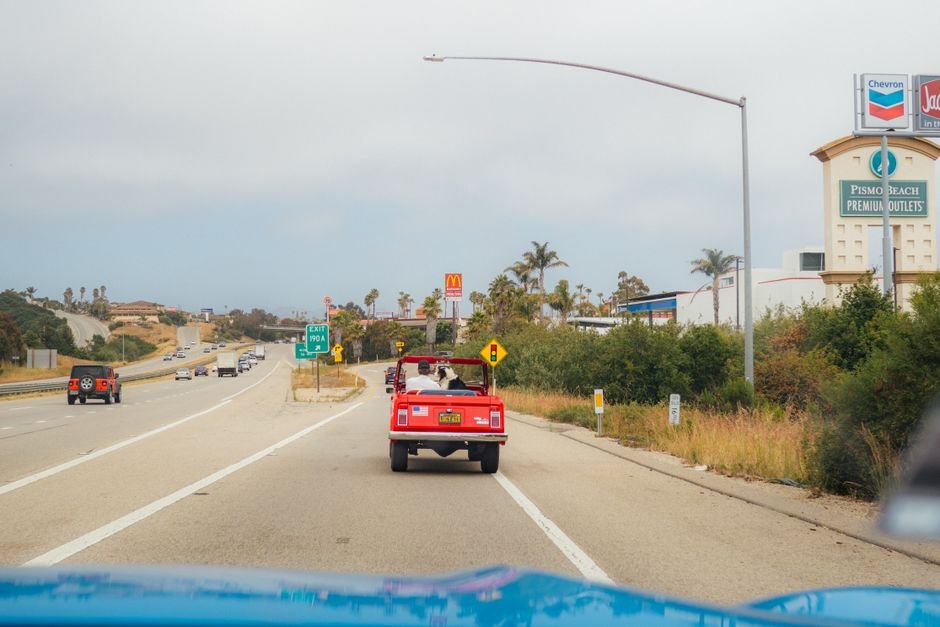
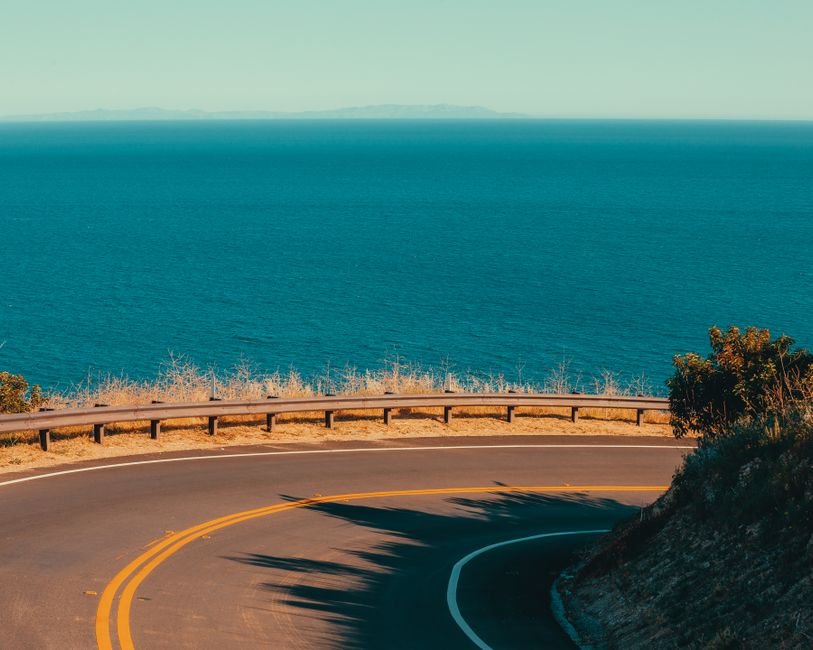
First things first: Pacific Coast Highway, or inland? PCH, Highway 1. Totally legendary. Everyone knows it. Imagine endless ocean views, killer dramatic cliffs, and those little quirky beach towns. So pretty. It’s iconic, a total classic California feel. But, hey, it’s also slower. Super winding. And sometimes parts of it are just shut down for work. Annoying, right?
Then you’ve got the inland stuff. Yosemite. Kings Canyon’s sequoias. Death Valley’s freaky landscapes. Different beasts entirely. Think hiking. Stargazing. Just a wild, rugged vibe. You’ll go from flip-flops to heavy boots in a flash.
Here’s the plain truth: Don’t, I repeat, do not try to squeeze San Diego to Redwood National Park. And then Yosemite, Sequoia, and Death Valley all into one measly week. Pick a main area. Focus on one big region. You’ll thank yourself when you’re actually enjoying it.
Season Smarts: Best Weather, Fewer Crowds for Your Trip
Timing is everything in California. Summer for the beach? Sounds good, right? It is. Unfortunately, everyone else thinks so too. Expect crowds. Higher prices. Traffic, especially along the coast. Still fun, of course. Just plan to share.
And for the national parks, late spring or early fall? That’s golden. Weather for hiking is usually perfect – cool nights, warm days. And you’ll skip summer’s thickest crowds. Winter? Brings snow. Beautiful, yes. But some roads close. So, you know, plan around that.
But if you’re hitting the desert, say Joshua Tree or Death Valley? Winter is your pal. Nobody wants to melt in 120-degree heat just to look at a cactus. The cooler months give you crisp air and seriously clear skies.
Packing Like a Pro: For Every California Mood
California weather changes faster than your mood on a Monday. Layers. Your best friend. Fact. Bring a jacket, even if it’s 70 F at the beach. That evening fog rolls in quick. So, pack shorts, t-shirts. Also a solid fleece or a light waterproof jacket.
Beach stuff is obvious – swimsuit, towel, sunscreen. But if you’re heading inland? Hiking boots. A sturdy daypack. And water bottles, lots of them. Non-negotiable. Even good sneakers are better than flip-flops on a trail.
Don’t forget bug spray. Especially near rivers or up in the mountains. And a first-aid kit. Always a smart move. A portable power bank for your phone? Total lifesaver.
Crash Pads: Hotels, Glamping, Camping (Book Ahead!)
Hotels are everywhere. Fancy places in Beverly Hills. Budget motels in smaller towns. They’re convenient. And comfy. Booking ahead for popular destinations, especially during busy times, is super smart.
Want something different? Glamping spots are all over the place. Outdoor vibe, but with a touch of luxury. Safari tents, yurts, tiny cabins. A great way to get outside without giving up a comfy bed.
For the true adventurers, camping rules. California has amazing state parks and national forests with campgrounds. You absolutely need to book campsites well in advance, especially for places like Big Sur or Yosemite. Seriously. They fill up months ahead. And if you’re more spontaneous, look for first-come, first-served spots, but understand you’re basically gambling. Flexibility helps you score a last-minute spot.
Money Matters: Keep Your California Trip Affordable
Let’s be real: California ain’t cheap. Gas costs here can really hurt. So, know that going in. Use apps to find the cheapest gas along your way. Don’t just pull off at the first highway exit.
And food. That can eat up your budget fast. Grab snacks and drinks at grocery stores. Stop relying on gas station convenience stores. Hit up local farmers’ markets for fresh, cheaper eats. And pack a cooler for picnics – meals with a view are better, always. Cheaper, too.
Look for free things! Hiking trails. Beach days. Exploring charming small towns. Window shopping. Or just finding a cool spot to watch the sun go down. Lots of museums have free days. So, check their schedules. Watch for national park fees; an America the Beautiful Pass can save you serious cash if you’re hitting multiple national parks.
Dive In: Authentic Local Vibes & Hidden Gems
Sometimes, just skip the tourist traps entirely. Veer off the main road. Just explore the small towns. Because you’ll find true hidden gems. Wacky antique shops. Local diners, serving up real food, not just chain junk. Often, that’s where the real flavor of California buzzes.
And another thing: Don’t be scared to try local food. I mean, taco trucks that will blow your mind. Roadsides bursting with fresh produce. The food here is incredible. Ask locals for their fave spots – they always know the best unpretentious places.
Find a lesser-known state park. A regional museum. Or some weird roadside attraction. Could be an old lighthouse. A ghost town in the desert. Or one of those funky art installations. These are the pieces that truly make a trip memorable.
Drive Safe: California Roads & Emergency Must-Haves
California’s roads? Mostly great. But they can be tricky. Drivers here are… spirited. Stay alert. Watch speed limits, especially near schools. Hands-free devices are a must for cell phones. It’s the law. Tickets are expensive.
And navigation gets dicey in some remote areas. Mountains. Deserts. Download offline maps before you lose service. A paper map, seriously, even for backup, is smart. And always let someone know your general route if you’re heading way off-grid.
Carry an emergency kit in your car: jumper cables, a flashlight, blankets, extra water and snacks, and a basic first-aid kit. Flat tires happen. Sudden weather changes, too. Make sure your spare tire is good and you know how to use your jack. A little bit of planning means a lot of peace of mind.
Burning Questions
So, when’s the best time to cruise the PCH?
Late spring (April-May) or early fall (September-October) is ideal. Good weather, fewer people, and clear skies for those famous coastal sights. Summers can be foggy in certain spots, and winters might bring some rain and road closures.
Can I just camp anywhere in California to save money?
Nah. Dispersed or “wild” camping is mostly off-limits in a lot of places. You gotta camp in proper campgrounds, state parks, or national forests that actually allow it. They often need reservations or permits. Always check local rules; primitive camping rules really swing wildly.
Do I need snow chains for those California mountain passes?
If you’re going during winter (think November to April) in mountain spots like the Sierra Nevada (hello, Yosemite, Lake Tahoe)? You absolutely need to carry snow chains. Even if your car is 4WD. Chain rules can pop up out of nowhere depending on road conditions, and they’ll turn you back if you don’t have them. Practice putting them on before you even leave!