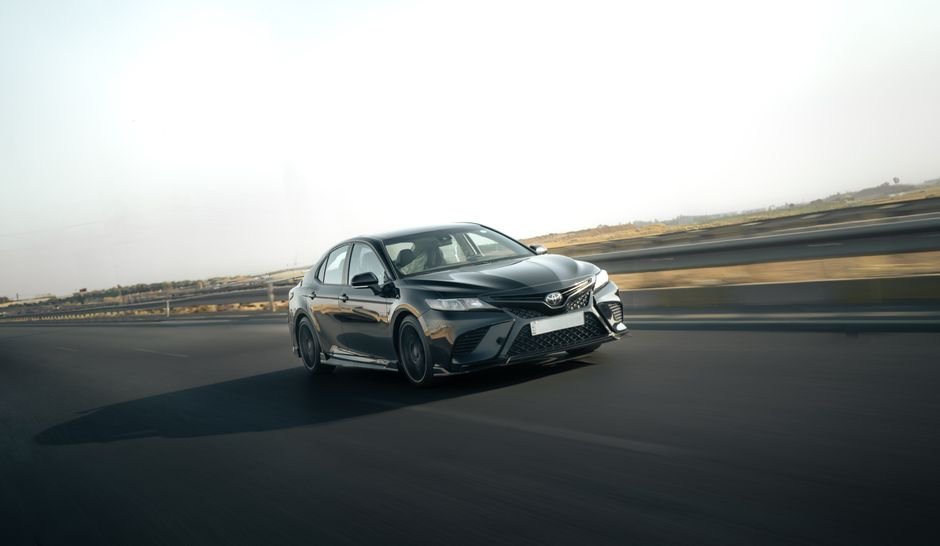
The Toyota Camry Scandal: A Warning from Automotive History for California Drivers
Remember when a Toyota was practically indestructible? That “gurbetçi tank” you could load to the gills, still glide down the freeway. A symbol of endless reliability. But what if I told you that same brand, the one known for “over-engineered” quality, became an unstoppably fatal machine for some people? Because the infamous Toyota Camry Scandal isn’t just some grim movie chapter, no way. It’s a real-life horror show. Cost-cutting. Sticky pedals. Melting dashboards. A record-breaking fine. This whole mess? It should make any California driver really think about what’s under the hood.
Toyota Chased Being the Biggest, then Slashed Costs
Back in the early ’90s, Toyota had one goal: beat Mercedes. And they weren’t cutting corners. Engineers designed the 1991 XV10 Camry. We called it “over-engineering.” Triple-layered door seals. Lexus-level insulation. Engine parts built to last forever. People even called it the “beige appliance.” Dependable like a refrigerator. Never quit unless you pulled the plug. It was solid.
Then, the new millennium hit. Being the best wasn’t enough. Toyota gotta be the biggest. Overtake General Motors. The path? Just rush more. Cut costs. And boom. That’s exactly where the problems started. This corporate vibe change totally smacked the quality good Toyotas were known for. The kind that made them a super reliable choice for families across the state.
The Infamous Unintended Acceleration Scandal: A Total Mess
For actual folks, things got real. Imagine driving down the highway. You hit the brake. Nothing happens. No joke. The car just keeps zooming. Toyota’s first excuse? Floor mats! “Too thick!” they said, “Yank ’em out!” But the accidents didn’t stop.
The real culprit? A cheap, plastic pedal. Toyota outsourced these pedals to a U.S. company. They ditched good Japanese components for saving cash. Inside, a simple plastic friction lever. Nylon 4/6 plastic. Total dud. Moisture from the heater? Swelled the plastic. Stuck pedal. You’d lift your foot. Pedal stuck.
And if that wasn’t bad enough, the brakes? Pretty useless. Because when the engine’s roaring at full throttle, hitting the brakes eats up the vacuum assist. No vacuum? Hard pedal. Needing almost 80 kilograms of force to push. Try that in an emergency. The car became an unstoppable missile.
And another thing: the software side of the train wreck. Years later, an Oklahoma lawsuit. Blew the lid off. Experts couldn’t believe their eyes. Toyota’s electronic throttle software? Disaster, pure and simple. ‘Spaghetti code,’ they called it. A tangled mess. Over 11,000 global variables. No basic security. The processor would overload. Freeze up. The car’s brain literally crapped out.
And the final kicker: ‘tin whiskers.’ Tiny metallic hairs. Grew inside the gas pedal sensors. These caused a 248-ohm short circuit. Cars thought they were accelerating. Nobody even touching the pedal. Not just broken. Straight up hallucinating.
More Major Quality Failures: Melting Dashboards and Oil Sludge
That acceleration mess wasn’t the only ghost hiding in Toyota. Millions of drivers, especially those with 2007-2011 XV40 Camry models, woke up to a nightmare: their dashboards were melting. Not kidding. Toyota, caught in its cost-cutting frenzy, used cheap PVC for the dash. Sun and humidity? Chemicals oozed out. Sticky, gooey mess. Reflected blindingly off the windshield. Toyota finally issued a warranty program. But for years, owners drove around in a sticky, reflective hellscape.
Also, the oil sludge problem. Specifically, the much-talked-about 1MZ-FE V6 engines from 1997-2002. These motors had a design flaw in the cylinder head. Oil channels so narrow. Too narrow. Hot oil couldn’t drain back into the pan. Cooked inside. Thick gunk. This gunk clogged passages. Engine seizure. For ages, Toyota blamed folks. “Bad maintenance!” they said. The real reason? Bad thermal design. Fundamentally an issue.
A Staggering Fine and a Landmark Apology
The fallout? Huge. The scandal ended with a massive $1.2 billion fine. Biggest ever in cars. But for a Japanese company, that hit harder than just money. Honor.
So, Feb 24, 2010. Akio Toyoda, founder’s grandson? Faced the U.S. Congress. Not just a powerful CEO. Humbled guy. Admitted fault. “The Toyota name is on every car,” he said, tears rollin’, “When our cars are damaged, I am damaged.” That public apology, global TV. Big turning point. The supposedly flawless Japanese giants. “Oops.” Didn’t just save them from ruin. Smashed the myth of Toyota being indestructible. Forever.
Toyota Bounces Back with the Corolla
But the Camry struggled in some markets, especially outside the U.S. Toyota didn’t just fold. Take Turkey, for example. The Camry, with its big 2.5 or 3.5-liter engines, got super pricey. Local taxes, man. Volkswagen basically “hacked” the tax system with smaller 1.6-liter engines. Camry lost its premium segment battle to the Passat.
But Toyota doesn’t quit. New plan. If American-sized engines wouldn’t sell, they’d build a local hero. So they started manufacturing the Corolla with 1.3 and 1.6-liter engines right there in Sakarya. Camry too expensive. Corolla? One of us. THAT built the legendary “never breaks down” rep. Not the Camry, nope. Toyota might have lost the big prestige battle. But it won the streets. Today, ask anybody there. Toyota? Bulletproof. Thanks, Corolla. A true workhorse for everyone.
So the Toyota Camry Scandal? Crazy, right? Extremes. Early models? Engineering marvels. That wrote the book on immortality. But then, company greed. Prioritized growth above all else. Result? A $5 pedal. A melting dashboard. And a spaghetti-code nightmare. So what about you, California driver? Do you want the bulletproof-but-not-always Camry with a checkered past in your driveway, or something else entirely? The battle lines are drawn.
Frequently Asked Questions
Q: What were the main reasons for unintended acceleration in some Toyota models during the scandal?
A: The scam came from a few things, like faulty plastic pedals that could stick due to moisture, messy, buggy “spaghetti code” software for the electronic throttle, and tiny “tin whiskers” making electrical shorts in accelerator sensors.
Q: Which Toyota models and years were known for melting dashboards?
A: The melting dashboards, because of messed-up PVC in the dash, were mostly seen in 2007-2011 XV40 generation Toyota Camry models.
Q: What was the financial penalty Toyota received for the unintended acceleration scandal?
A: Toyota got hit with a huge $1.2 billion fine. Biggest ever for a car company over safety issues at the time.