North Brother Island: NYC’s Forgotten, Haunted Quarantine Spot
Ever wonder what happens when a bustling city just… disappears? Imagine skyscrapers wrapped in vines. Roads choked with abandoned cars. A profound stillness replacing the urban roar. This isn’t just a movie trope. New York City has its own haunting pocket of forgotten history. A place where nature has definitively won. Stuck right there in the East River, between the Bronx and Riker’s Island, lies North Brother Island. Its past? Full of weird, sad stuff. It shows us a harsh truth about the city’s old contagions and calamities. We’re talking about real, raw North Brother Island history.
So, How Did North Brother Island Get Started? Dutch, English, Then a Hospital
The island’s story began with European explorers. Adrian Block charted it. Between 1611 and 1614, this Dutch adventurer named these two landmasses North and South Brother Islands. By 1614, the Dutch West India Company laid claim, calling them ‘de gezel’ – meaning companions or brothers. And another thing: this being New York, things change hands. The late 1600s saw the English take control. In 1695, the English government even granted both islands to a man named James Gram. He, probably sensing the island’s future bad luck, refused to build anything. Super tricky currents, you see.
For nearly two centuries, the island remained largely undeveloped. An 1869 lighthouse was its sole permanent structure for years. So, that all changed in 1885 when Riverside Hospital arrived, relocating from Roosevelt Island. The idea? Simple. Isolate the sick. Keep ’em from our rapidly growing, crowded city.
North Brother Island: Basically, a Huge Sick Ward for NYC
The 19th century was a rough one for public health. Diseases like typhoid, tuberculosis, and smallpox ripped through populations, often unchecked. Riverside Hospital, sitting on top of North Brother Island, served as a major block. It was a place where people afflicted with these nasty diseases were brought. Often against their will. The hospital’s mission was clear: contain, treat, and protect the city from outbreaks. A necessary, but hella somber, role.
And Then There Was Typhoid Mary. She Lived There. Not by Choice
Perhaps the most infamous chapter in North Brother Island history belongs to Mary Mallon, better known as ‘Typhoid Mary.’ Born in a small Irish village in 1869, Mary immigrated to the US in 1883 for a new life. She found work as a talented cook in New York. A good cook, yes. A deadly one? Unknowingly, yes.
Starting in 1900, typhoid outbreaks began to plague the affluent homes where Mary worked. Around two dozen people fell ill. Because Mary always moved on by the time the disease was traced, she was never suspected. It took a plumbing engineer specializing in disease tracking, George Soper, to piece it together in 1906. An outbreak in Oyster Bay? Led him to Mary. Six people in one household contracted typhoid there. His radical theory? Someone could carry the bacteria without showing symptoms. Mary’s peach ice cream, made with uncooked ingredients, was the common link.
When Soper confronted Mary in 1907, requesting samples, she was furious. She probably assumed he was insulting her cooking hygiene. She didn’t know she was an asymptomatic super-spreader. At the time, the idea that someone could be sick without seeming sick was alien. Soper dug into her work history, confirming his suspicions. Typhoid outbreaks mirrored Mary’s employment path. Seven of the eight homes she cooked in had seen outbreaks. In March 1907, Mary was apprehended and sent to North Brother Island where samples confirmed her status. She was forced into isolation for three years.
But released in 1910 under the condition she never cook again, she changed her name to “Brown” and, incredibly, found work as a cook at a Manhattan hospital. Within three months, she infected at least 25 more. Re-isolated on North Brother Island, she would live out the rest of her days there, having infected an estimated 51 people, three of whom died. A truly tragic figure on an island defined by tragedy.
Boat on Fire! The General Slocum Disaster Hit North Brother Island
Long before Mary Mallon was stuck there again, North Brother Island saw some other awful stuff: the General Slocum steamboat fire in 1904. The excursion steamer carried 1,358 passengers and 30 crew. And another thing: many of them German-American families celebrating the end of the school year with a picnic in Long Island. As the boat sailed past 97th Street, it inexplicably burst into flames. The crew’s efforts? Useless. The fire hoses were old, rotted, and burst under pressure.
The captain, realizing the fire was way too big, desperately steered the burning boat towards the nearest land: North Brother Island. But the flames spread too fast. Terrified passengers, many unable to swim in their heavy clothing, jumped into the water before the boat could properly dock. Even those who managed to grab a life jacket found them useless, as they too had rotted over time. The hospital staff on the island shores watched in horror, scrambling to help survivors. Out of nearly 1,350 people, only about 300 survived. The bodies of the deceased washed ashore on the island, turning its beaches into a horrible reminder of New York City’s deadliest maritime disaster. Talk about a cursed vibe.
Post-War Vibes: Veterans, Then Troubled Teens
Despite its dark past, North Brother Island continued to serve a purpose for decades. After World War I, with a nationwide housing shortage, the island stepped up, housing vets for a bit. Then came the rehab. This center, which could house around 150 patients for up to six months, became notorious for holding unwilling teens, a very controversial thing. Parental consent was often enough. No court order needed. Once admitted, young addicts were frequently locked in rooms. Forced into cold turkey. No slow cuts, no other meds. Just stop. Talk spread like wildfire about the strict rules and nobody asked to be there. Painting a picture of a grim, isolated place where freedom was an illusion. The whole endeavor eventually felt like a fiasco.
1963 Onward: Nature Takes Over. Birds, Not People
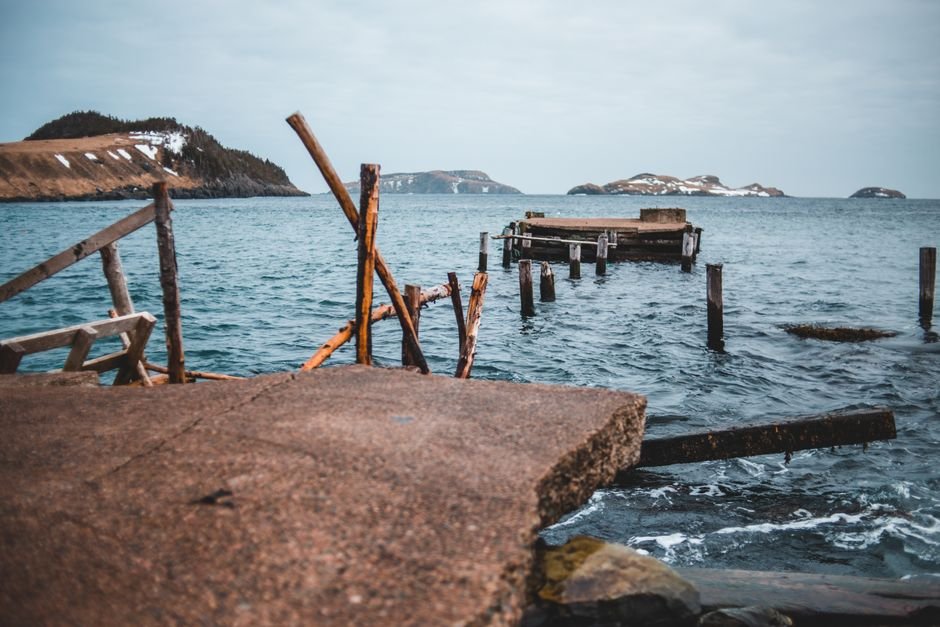
By 1963, the hospital was just too much trouble and money. The island was finally, completely abandoned. The buildings and grounds were left to crumble. A complete surrender. Today, along with its smaller sibling, South Brother Island, it stands as a protected sanctuary for all kinds of birds. A peaceful, if sad, quiet spot for wildlife. Nature has done what it does best, making new life sprout from old buildings, slowly erasing the human tragedies.
Bottom Line: North Brother Island is a Place of Isolation, Tragedy, and Sadness
North Brother Island’s history is a heavy one. From its earliest days, passed between the Dutch and English, always had nasty currents, it seemed destined for a fate of isolation. The lighthouse offered little comfort. Riverside Hospital brought an important, but dark, job, but even that was overshadowed by the likes of Typhoid Mary. The General Slocum disaster saw hundreds desperately swim toward its shores, only to be swallowed by the currents or the flames. Even the try to fix young addicts ended in controversy and closure. The island itself, now overgrown and silent, almost whispers, “Just leave me alone.”
For centuries, this small patch of land has seen so much crazy sadness, human suffering, and the unstoppable power of nature. It’s a big reminder that some places, no matter how much we try to force them to do what we want, just stay weird, and sometimes heartbreaking.
Frequently Asked Questions
Q: Where is North Brother Island located?
A: North Brother Island is located in the East River, situated between the Bronx mainland and Riker’s Island in New York City.
Q: What was Typhoid Mary’s connection to the island?
A: Mary Mallon, ‘Typhoid Mary,’ was quarantined. Twice. Because she carried typhoid without symptoms, and she cooked. Really dangerous for public health. She basically lived out her later life shut away at Riverside Hospital on the island.
Q: What is North Brother Island used for today?
A: Abandoned since ’63. Now? It’s a protected home for a bunch of different bird species. Nature took it all back. And nope, public can’t go there. Off-limits.