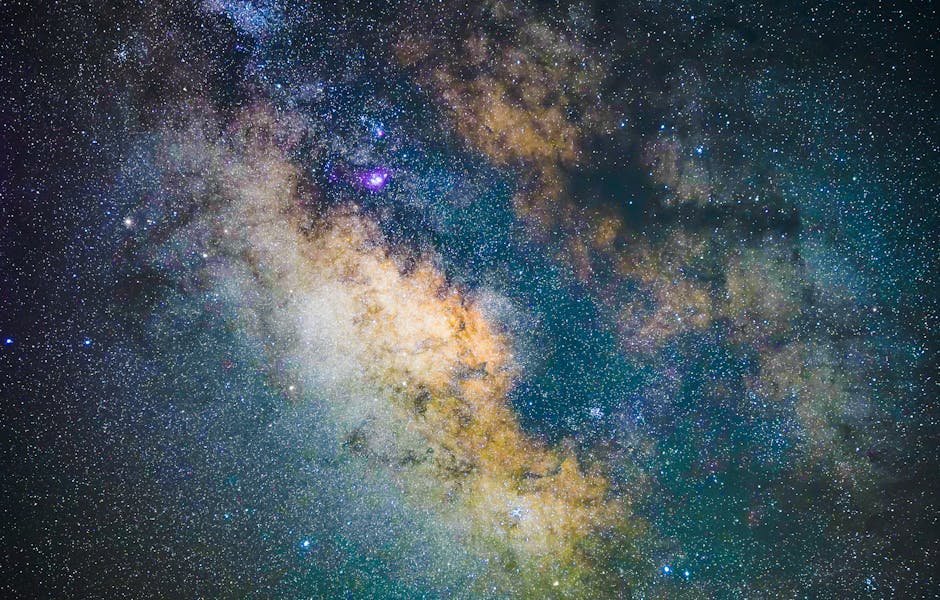
Capture California’s Night Sky: Your Ultimate Guide for Stargazing & Night Photography
Ever gazed up at the California sky after dark? Felt that pull? That urge to not just merely see, but to grab that magic? Forget just quick snaps. To truly nail California night photography, you kinda gotta know what’s going on. It’s more than just light, man. The shadows? They’ve definitely got their own vibe. We’re talking serious cosmic drama here. Right in our golden state. Get ready. Ditch the basic camera settings. Go get some seriously epic shots.
Master the art of nightography to capture California’s awesome dark skies and low-light views
Our eyes mostly look for light. But what if the real story, the true feel, is hiding in the dark? Nightography isn’t just about cranking the ISO way up. It’s about spotting the stuff you usually miss. And also: you can totally photograph shadows. Think about it. Give me a light source, something to block it, boom. Shadow. We shoot that all the time, right? But on a massive scale? Now that’s when things get really fun.
In California, with our wild land — from desert drylands to rugged ocean edges — you get endless chances for amazing low-light photos. You’re not just waiting for the sun. You’re actually seeking out the drama. The moment light disappears. That’s the real art.
Get ready to photograph rare lunar eclipses. See them as Earth throwing a huge shadow onto the Moon
What if we take that “light and blocker” idea to the biggest players? We’re talking Sun. Earth. Moon. Ultimate light source. Biggest blocker. The canvas. The outcome? A lunar eclipse.
When the Moon, just moving along its path, rolls right into Earth’s shadow, it puts on a show you won’t forget. Mostly, we shoot the Moon’s phases – full, half, crescent. All just reflected sunlight. But during an eclipse? You’re not seeing light. You’re snapping a shadow. Earth’s shadow, specifically.
These events? Not an everyday thing. The Moon does its phases monthly, sure. But a full lunar eclipse hits at least twice a year. Some years get more. Total eclipses, fewer. The next time one rolls around, set your alarms. Get your gear ready. Watching Earth’s giant shadow painted across the Moon is a rare treat. Only happens about 230 times this century. Just think: you’re literally seeing yourself, your planet, projected onto another world.
When the Moon first hits the Penumbra (the weak shadow), it’s just a slight dimming. But then, it slides into the Umbra – the full shadow. That’s when the holy cow moment happens. The Moon can look super dark. Sometimes, it goes deep, eerie red. This “blood moon” effect happens thanks to our own atmosphere. It scatters light. Only the longer, red light rays bend and hit the Moon, even when it’s totally in Earth’s shadow. Pretty incredible. And another thing: It’s a heck of a show.
Find the bright ‘Belt of Venus’ and Earth’s rising shadow during California’s unique twilight hours. Snap them
Shadows aren’t just for the ground. Nope. Total myth. Shadows are 3D. Always. So, if the Sun is always on, Earth always has a shadow, right? If you’re outside shooting at night, guess what? You’re in it. Every single night, we stand right in Earth’s own shadow. This isn’t just talk. You can see it almost every day. Especially when you’re out in the open with a clear view.
After an epic California sunset, don’t pack up your camera. Not yet. Turn your eyes East. You’ll often spot a clear blue stripe forming on the horizon. This isn’t some air trick. It’s actually our Earth’s shadow, heading up into the sky.
Above that blue stripe? You’ll see another interesting thing: a reddish-pink glow. We call this the “Belt of Venus,” named because Venus the planet is often hanging out in that spot. These unique evening moments — sun gone in the west, Earth’s shadow rising opposite — are prime time for photographers. The sky explodes with pure color.
Use what you know about three-dimensional shadows to take more interesting and unique night and twilight photos across California’s diverse places
Knowing shadows are 3D totally changes your photo game. It means you’re not just snapping what’s bright. You’re thinking about how deep things are. How light fades away. How light plays with our air and land even after the sun takes a dip.
Imagine setting up a shot in a huge canyon or looking out at the ocean after the sun goes down. When that blue band of Earth’s shadow starts its climb, and the reddish-pink Belt of Venus appears above it, you’re seeing light interacting with tiny bits in our air. This makes a stunning range of colors. Use these natural sky-shows to add layers and drama to your pictures. Don’t ever walk away from a beautiful view just because the sun disappeared. Some of the best light happens right after.
Figure out Rayleigh scattering to guess and shoot the rich, ‘golden hour’ colors during California sunsets and sunrises for amazing landscape shots
Rayleigh scattering, huh? Sounds super science-y, right? But it’s just why our sky is blue. And why sunsets are so bright. And why the Moon can turn deep red during an eclipse. It’s just light bouncing off tiny bits in the atmosphere.
During “golden hours”—that amazing time just after sunrise or before sunset — light has to travel through more of Earth’s atmosphere. Shorter light — like blue — bounces away. Leaving the longer light — red, orange, yellow — to take over. So you get those “color explosions” that photographers love so much. This is the exact same science that makes the Belt of Venus look reddish-pink. And it’s why the Moon goes red during an eclipse.
To truly get these moments, it helps to have the right tools. Cameras that can catch fine details in low light, usually with bigger sensors to suck in more light, are key. And, lenses with coatings that stop reflection can help with annoying lens flare in the dark. And another thing: when light is super weak, optical and digital image stabilization are truly your best pals to prevent blurry shots from slower shutter speeds. So you’ll grab those insane landscape photos that truly show off California’s twilight stunningness. No need to wait for harsh mid-day sun.
Earth’s shadow isn’t some distant thing; it’s why we have night. It’s what touches the Moon, makes it blush red, and paints our twilight skies with dramatic color. We’ve learned that shadows are 3D. They’re everywhere. And boundless. Stretching 1.5 million kilometers out from Earth into space – even the WEBB space telescope hangs out in its cool shade. So next time you’re outside. Camera in hand. Remember this: the night isn’t empty. It’s full of shadow, light, and stories just waiting to be told.
Frequently Asked Questions
Q: What makes the Moon turn red during a lunar eclipse?
A: The red color during a total lunar eclipse happens because of Rayleigh scattering. Sunlight goes through Earth’s atmosphere, which acts like a filter. Shorter blue light bounces away, letting longer red light bend and hit the Moon. Even when it’s fully in Earth’s shadow.
Q: How often do lunar eclipses happen?
A: Total lunar eclipses occur at least twice a year. The Moon does its phases monthly. But getting completely into Earth’s deepest shadow (the umbra) is less common, happening about 230 times in this century.
Q: Can we see Earth’s shadow every day?
A: Yep! After the sun sets, if you look East where the horizon is clear, you can often spot a definite blue band moving into the sky. That’s Earth’s shadow. Just above it, you might even see a reddish-pink band we call the “Belt of Venus.”