Your Best Sleep Posish: A Local’s Guide to Not Waking Up a Wreck
Ever wake up feeling more thrashed than a surfboard after a gnarly wipeout, even after eight hours in bed? You’re not alone. Figuring out the Best Sleeping Positions isn’t just about feeling cozy; it’s a huge deal for your health, your back, even your face. Here in California, we’re all about good vibes and wellness. And getting your sleep right? Super important. So, let’s check out how to catch those Zs like a champ and feel totally refreshed.
The ‘Soldier’ Stance (on your back, arms at your sides) Does Good Things for Your Spine and Face, But Not So Much for Snoring
Picture this: perfectly flat. On your back. Arms at your sides, facing the ceiling. Sounds a bit stiff, huh? Like a soldier at attention. Or, yeah, like a body in a coffin. But don’t let that image freak you out. This “soldier position” is a powerhouse for your spine. Your head, neck, and back all line up super straight. Less pressure on joints. Muscles, too. If you’re always waking up with weird aches? This could be your fix.
Also, back sleeping keeps your face off the pillow all night. That constant squish? Leads to what skin doctors call “sleep wrinkles” over time. So, back sleepers? Often age better. Smoother skin for longer. Dermatologists actually push this one for that exact reason.
But there’s a catch. A big one. Lying flat on your back is truly terrible for snoring. Gravity pulls your tongue and squishy throat bits backward. Partially blocks your airway. If you already snore, it’s way worse. Got sleep apnea? This can be downright dangerous. Might stop your breathing at night. So, awesome for your spine and face. Maybe not so much for your partner’s sanity.
The “starfish” thing, that’s on your back with arms up around your head and legs sprawled out, gives you similar spine benefits. But, new headaches. Shoulder strain. Holding arms up awkwardly for hours. And it uses up the entire bed. Sharing with a starfish? Good luck squeezing onto that 6-inch mattress sliver. And that snoring problem? Absolutely hangs around. If you’re a back sleeper, keep those arms down. Less shoulder pain. And watch out for snoring.
Side Sleeping Can Be Awesome for Less Snoring and Better Digestion (Especially on Your Left). Just Get Your Form Right
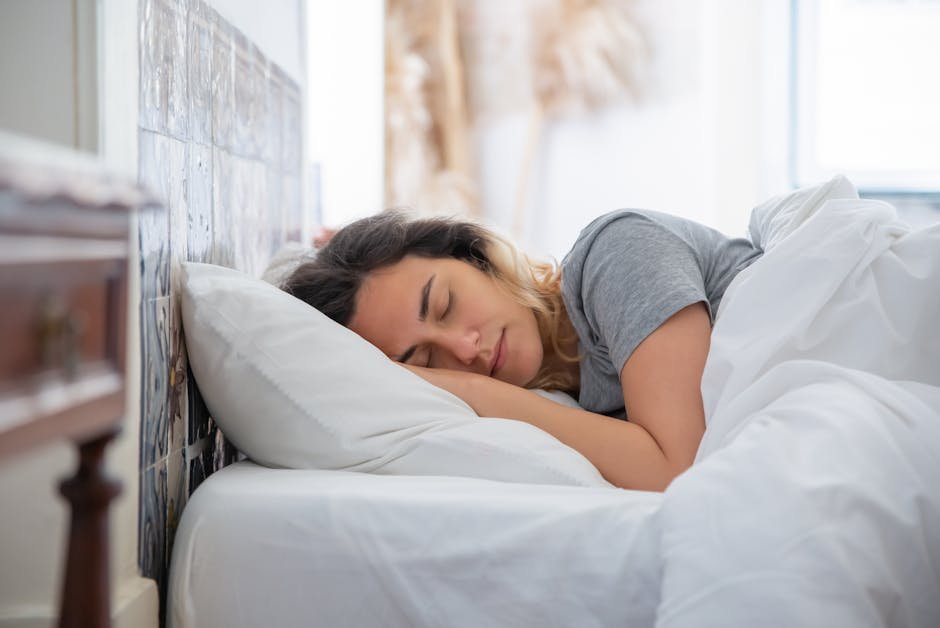
Most of us just naturally roll onto our side. It feels safe. Comfy. Kinda like being in the womb, right? And it really helps, in a few key ways. Curling up opens your airway better than back sleeping. Sweet trick for cutting down snoring. Helps with sleep apnea stuff too. And with a decent mattress, your spine gets good support. Pregnant women are often told to sleep this way for better blood flow.
However, a lot of folks curl up too tight. Pulling knees to chest. Tucking your chin real close. That cramps your diaphragm. Hello, shallow breathing. So, you wake up tired. Not enough oxygen. And a tight curl? Strains your joints. Rounds your spine unnaturally. Hips and knees stay bent all night. Stiffness and pain, morning surprise!
The “Log” position is another side deal: on your side, arms straight, legs out. No curling. Supports your back’s curve naturally. Airway stays open. Boom, less sleep apnea. Better digestion, especially on the left (more on that in a sec!). The downside? Arm numbness. Pins and needles, maybe a dead arm. To avoid this, just shift sides now and then.
And another thing: there’s the “Yearner” position. Side sleeper, but you’re stretching both arms forward. Like you’re reaching for something in your dreams. A lost wave, maybe. Your spine usually stays okay. And you get those awesome side-sleeping perks, like less snoring. But those outstretched arms cause shoulder pain. Nerve squishing in that bottom arm. Scary! Research even hints it might slightly slow blood flow to your heart. Bigger problem if you already have heart issues. If this is your go-to, hug a pillow. It backs up your arms. Really cuts the strain. A small change that makes a hella big difference.
Stomach Sleeping? Most of the Time, It’s the Worst. Seriously
Sorry to be the bad news bear, but sleeping on your stomach is, for most people, the absolute worst position for your body. No nice way to put it. You flatten yourself out. Arms probably around or under your pillow. Head cranked hard to one side. Some find it cozy, sure, but your spine is paying.
The biggest issue? Your neck. Humans aren’t made to sleep with their heads turned 90 degrees for eight hours. Your neck bones get all twisted up. Muscles on one side strain. The other side gets squished. Do this every night? You’re asking for constant neck pain. Headaches. Nerve problems. Your lower back hurts too. Lying on your stomach pushes your midsection into the mattress. That arches your spine too much. Hello, long-term lower back pain. Breathing is harder, also. Your chest is pressed down. Harder for your lungs to expand.
The only good part? Stomach sleeping can cut down snoring. Your airway stays more open than on your back. But that one tiny benefit? It’s not worth all the major damage to your bones and muscles. If you’re a stomach sleeper, start trying to change. Your future self will totally thank you.
Propping Yourself Up During Sleep Is Gold for Reflux, Sleep Apnea, and Stuffy Noses
Sometimes, lying flat just doesn’t cut it. Elevating your upper body? Changes everything. We’re talking propping up your head and chest. Usually at a 30 to 45-degree angle. Grab a wedge pillow. Or use an adjustable bed. Even just stack a few regular pillows. Just get your head and chest higher than your belly.
This position is a total game-changer for acid reflux. Lie flat, stomach acid sloshes right back into your throat. Prop yourself up, gravity keeps that acid where it belongs. Many folks with GERD find their symptoms practically vanish. Just sleep on an incline.
Sleep apnea also gets better. That elevated angle helps keep your airway open. Less chance of your tongue or throat tissues collapsing. Breathing stays easier all night long. Got a stuffed nose from a cold or allergies? Sleeping elevated helps everything drain. Everyone who’s had a stuffy nose knows lying flat makes it hella worse. This is a chill spot for your airways.
Any downsides? Might feel weird at first. Some folks slide down. If the angle is too steep, it can press on your lower back. But for the right problems, sleeping elevated isn’t just comfy. It’s really good for you.
Hugging a Pillow While Side Sleeping Helps Your Arms and Spine, Plus It Just Feels Good
Ever feel you gotta hug something while you sleep? A pillow? Stuffed animal? Rolled-up blanket? It’s not just a childhood thing. It actually helps your body.
When you hug a pillow as a side sleeper, your arms stay in a good, neutral spot. Instead of your top arm flopping across your chest or hanging weird, it just relaxes on the pillow. This simple trick cuts down shoulder strain. Also helps your spine stay aligned. Balances your upper body.
And it’s kinda psychological. Physical contact, even with a pillow, makes your body put out oxytocin. That’s the hormone you get from cuddling. Your nervous system calms down. Less stress. Falling asleep gets easier. For solo sleepers, hugging a pillow can fill a physical gap. Mimics that comforting pressure. Sounds kinda sad, I know, but it works. And it does seriously boost your sleep.
Very few downs. Some people hug too tight. Wake up with tired arms. Others use a pillow that’s too big. Messes up their shoulder position. The fix is easy: use a pillow that’s sized right for hugging. Not your head pillow! Hold it gently. Let it give support, no tension.
Sleep on Your Left Side. Your Gut, and Everything, Will Thank You
Not all side sleeping is the same. The side you pick really matters. And most folks don’t even know it. For pretty much everyone, sleeping on your left side is almost always the better choice. Ready for why your gut will send thank you notes?
Your stomach and pancreas are on your body’s left side. When you lie on your left, gravity helps your digestive system do its thing. Food moves through easier. Your body literally digests better while you sleep.
Acid reflux is another huge point. Your throat connects to your belly on the right side. Lie left, and your stomach basically sits below that connection. Acid has to fight gravity. Harder to reach your throat. Lie on your right, and gravity helps the acid flow up. Heartburn city. For pregnant women, left-side sleeping improves blood flow. To the uterus. To the kidneys. Doctors literally tell them to do it.
So, what’s wrong with the right side? Besides digestion and reflux stuff, sleeping on your right puts more pressure on your liver. Also, your lungs. It’s not dangerous for healthy people, but it’s not ideal either. The one exception: some heart conditions. Certain people with heart failure feel better on their right. Might reduce heart pressure. For everyone else? Go left. Your bowels will send you a postcard.
Combination Sleepers Move Around for a Reason. But Too Much Wiggling Breaks Up Your Deep Sleep
Some of us aren’t just a “one-position” wonder. We’re “combination sleepers.” Shifting constantly. Back, side, stomach, all night. Turns out, our bodies might be smarter than us.
Staying in one spot creates constant pressure. On specific body parts. Blood flow can slow. Muscles get stiff. Moving around releases that pressure. Lets your body fix itself. Prevents damage. Combination sleeping also lets you grab the benefits of different spots. Start on your back for alignment. Roll to your side when that gets old. Finish in a loose fetal position. Your body just adapts.
But, yeah, there’s a downside. Shifting around too much can mess with your deep sleep. See, every time you move, your brain kinda flickers awake to make it happen. You might not remember these “micro-awakenings.” But they bust up your sleep cycles. So you wake up feeling less rested. It’s about balance. A little movement? Good. Constant thrashing? Not so much. If you’re changing positions every few minutes, something else is probably off. A crappy mattress. A persistent ache. Or stress that won’t let your body just chill. Listen to your body, sure. Move when you need to. But don’t turn sleep into a gymnastics routine.
Quick Answers
Q: Does stomach sleeping ever work out?
A: Nah, man. Generally, it’s a pass. Okay, yeah, it might cut down some snoring by opening your airway. But the pain it causes your neck and lower back? Plus the trouble breathing? That outweighs the single good thing, big time. You really should try other positions.
Q: Why is left-side sleeping better for food processing?
A: Your main digestive parts, like your stomach and pancreas, are on your left. Laying on that side, gravity literally helps your food move along. Gets stuff through your system more smoothly. It also helps with acid reflux. Your stomach’s position kinda keeps acid from sloshing back up your throat.
Q: Can hugging a pillow do more than just make you feel cozy?
A: Totally! Hugging a pillow, especially for side sleepers, helps keep your arms and spine straight. Less shoulder strain. Beyond the physical stuff, that contact releases oxytocin. That hormone chills out your nervous system. Cuts stress. Makes hitting dreamland easier.