Valve Corporation Disappointment: From PC King to Steam Boss
Remember the good old days? Back when a game studio wasn’t just chasing the latest trend but setting it? For a lot of us who grew up with a PC in the 90s and early 2000s, Valve Corporation was that studio. They handed us entire worlds. Unforgettable characters. And multiplayer experiences that, seriously, still resonate. But somewhere, somehow, that golden reputation just… tarnished. Today, for a huge chunk of its original fans, what was once pure adoration has turned into genuine Valve Corporation Disappointment. How did a studio with such an amazing past mess things up so bad?
Half-Life’s Revolution: Paving the Way
Picture this: It’s 1998. PC gaming is doing its thing. Then Valve drops Half-Life. This game wasn’t just some other first-person shooter. It changed everything. Story threaded right into the gameplay. A silent hero? More immersive than any loudmouth ever was. Totally redefined the whole genre.
For kids like us, glued to our big, bulky CRT monitors, the graphics were insane. The physics? Mind-bending. Half-Life was a revelation, pushing nearly every FPS that came after it. A total game-changer. No joke.
Building Bonds: The Multiplayer Mod Scene
Sure, Half-Life’s single-player hooked us solid. But the multiplayer? That’s where the real magic happened. We’d spend hours and hours in internet cafes. Fragging each other in Deathmatch. Laughing ’til our stomachs hurt. And another thing: that original Deathmatch mode, born in ’98, is still alive today.
Then came the mods. Oh, man, the mods! From Team Fortress Classic to the ultimate late-night dorm room conqueror, Counter-Strike, these community creations became legendary on their own. Counter-Strike, which started as a Half-Life mod, blew up into a massive hit. It still rules esports and LAN parties globally. These weren’t just games. They were places to hang out, to build connections that felt… permanent.
Steam: Community Spot or Just a Cash Machine?
The year 2004 was huge. Not only did Half-Life 2 drop – seriously, that game was unbelievable for graphics and physics – but Valve also launched Steam. Its first idea? To be a friendly spot for Valve’s games. A comfy place for players to gather. Swap skins. Trade patches. Really talk about their favorite titles.
It was never supposed to be the massive online store it is now. But quickly, Steam just grew. And grew. It turned into the online spot for PC games. A one-stop shop. The idea of a chill player hangout got completely swallowed up by its sheer size. So much for community vibes, huh?
The Big Shift: Selling Games, Not Really Making Them
Something seriously shifted around 2013. Valve, once the trailblazing game developer, started pulling back from what it used to be. Slowly, they stopped being a company that made games. Instead, they became one that mostly sold them.
Steam’s growth? Impossible to deny. It quickly became the world’s biggest digital store for PC games. Valve’s money flow flipped. Instead of earning from their own amazing games, they raked in cash selling other developers’ stuff. Big money.
Hardware Hiccups and OS Attempts
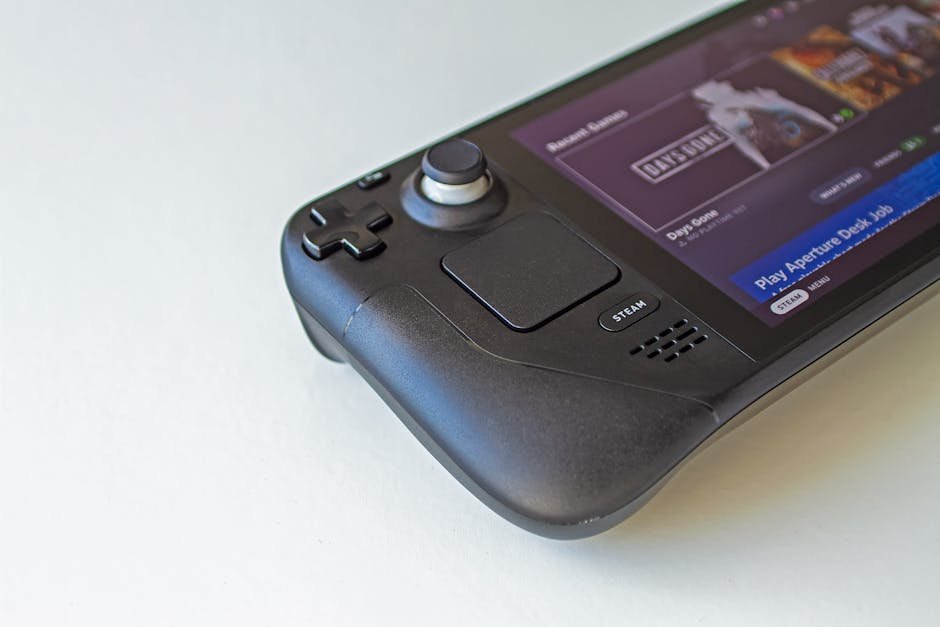
Now, during all this, Valve wasn’t totally sitting still. They messed around with hardware. And operating systems. Trying new stuff. Remember SteamOS? Their try at getting PC gamers off Windows. And then Steam Machines. Valve’s shot at a console world to battle PlayStation, Xbox, even Windows itself.
It was a big plan for Gabe Newell. But, nah, never took off. Neither SteamOS nor Steam Machines ever really caught on. Mostly because they just didn’t get enough support. They sold Steam Controllers for a bit. But those big hardware dreams? They just fizzled out. Total bummer.
The Missing “Threes” and Pure Fan Frustration
But here’s the absolute kicker for many of us: Where’s Half-Life 3? Seriously? Where’s Left 4 Dead 3? Team Fortress 3? It’s literally a joke now. Valve games seem to just stop at two. Half-Life 2: Episode Two ended on a huge cliffhanger. Fans screamed for more. We literally waited years expecting Episode Three to just appear when the PlayStation 4 or Xbox One launched. It never did.
The endless cycle of rumors, delays, and quiet cancellations has left generations of gamers just plain let down. It’s hella frustrating to see stories we loved left unfinished. Incredible game worlds left totally empty. Because the company’s priorities just moved. Changed.
The Perception: Bottom Line Over Creativity
For many of us who were there from the start, it’s crystal clear: Valve, once the cool kid of innovation and community, has turned into a money-hungry machine. They seem to care more about the cash they get from other developers’ games on Steam. Or by selling flashy items in Counter-Strike: Global Offensive. Stuff like that. Forget breaking new ground. Forget finishing long-awaited stories.
New “games” like Artifact (a card game in the Dota world) or Half-Life: Alyx (a super-cool VR experience) felt less like proper continuations for fans. More like smart moves to sell other devices. When complaints about cheaters in CS:GO just flood the forums, and the company’s answer seems to be “here, buy more gun skins,” it’s tough not to feel like that original pioneering spirit got replaced by strict focus on money. For so many gamers, Gabe Newell, who used to be our visionary leader, is now just another CEO obsessed with making numbers go up. The Valve Corporation Disappointment isn’t just about missing games. It’s about a lost legacy.
Quick Q&A
Q: When did Valve Corporation start?
A: Valve kicked off in 1996. Started by Gabe Newell and Mike Harrington, who both used to work at Microsoft.
Q: What did Valve first want Steam to be?
A: At first, Steam was meant to be a community spot just for Valve’s own games. A place where players could chat and share stuff.
Q: Why are fans so upset about Valve’s recent games?
A: Big frustration comes from the lack of new parts or endings for popular series like Half-Life, Left 4 Dead, and Team Fortress. Stories left hanging for over a decade.