Your Go-To Guide: Beginner Surfing in California
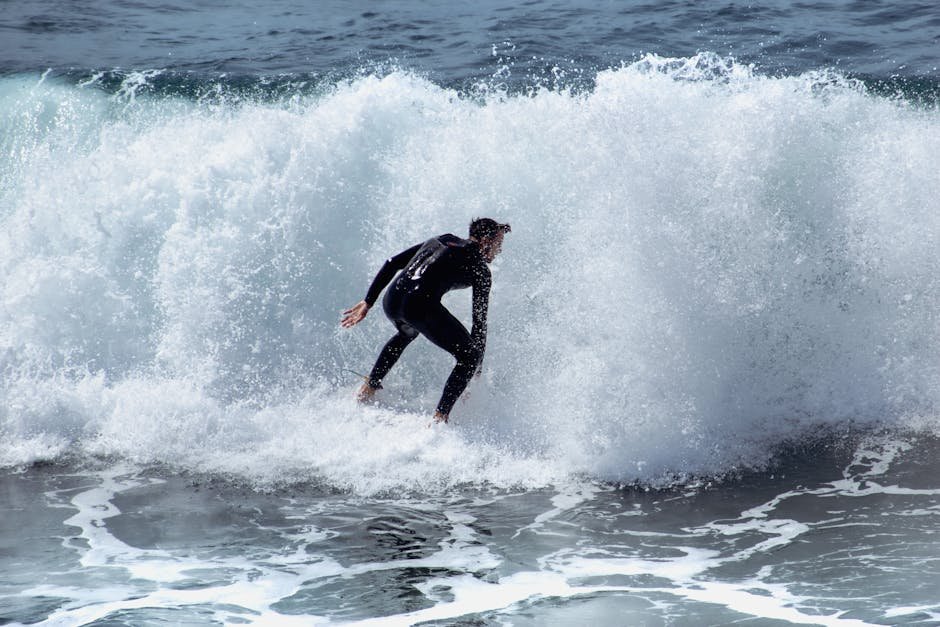
Ever dreamt of catching a wave in the Golden State, feeling that classic California surf vibe? You’re not alone. But for most newbies, the ocean can feel hella intimidating. Because learning to surf isn’t just about hopping on a board and paddling out; it’s about figuring out essential moves that save your energy, stop wipeouts, and get you standing tall faster than you think.
Forget flailing. Seasoned surf coaches, some with over 25 years teaching folks here in California, really push for solid technique right from the start. They’ve taught thousands. Seen what works, and definitely what totally doesn’t.
Getting Your Board’s “Sweet Spot” Down
Okay, first things first: your board. Most beginners start on longer soft-top boards, like a 7’6″ or 9’6″. Those things? Built for stability. But even on these forgiving giants, where you put yourself is everything.
Mark the exact middle of your surfboard. This is your natural balance point. Doesn’t matter if it’s a short board or a longboard. Middle is crucial.
And another thing: create an “eye-line” marker. Find a spot right above where your head will be when paddling. When you lie on the board, line up your eyes with this mark. What’s the point? This visual cue guarantees you’re never too far forward or back. Good placement means awesome paddling glide, which is super important for actually catching waves and not totally gassing yourself out.
Mastering the Slide-Up Technique
This isn’t just for pros. Nope, every experienced surfer uses this. Getting to your feet smoothly can seriously make or break your ride.
When you’re ready to stand, you want to slide down the board, letting your chest hit that middle mark. Now, here’s the big thing: focus on pulling your front knee into your chest. This motion lets your front foot land exactly in the middle of the board. Setting you up for balance. Your hands should be flat, palms pushing off, creating some space between you and the board. Keep your head up, stay centered. Don’t grab the rails.
You’ll end up with your forward foot ready, stance shoulder-width apart, leaning forward a bit. For now? Just aim for balance. Pumping comes later.
Keep Those Knees and Feet Together While Paddling
Sounds simple, right? It’s often overlooked, but super important.
When you’re paddling out, or even just lying on the board, keep your knees and feet together. Many beginners let their legs splay out. And then what? The tail of the board lifts too much. The nose dives straight into the water. Not good when you’re trying to catch waves or paddle through them. Together legs mean better board trim. Less resistance.
How to Do the Turtle Roll
Paddling out means you’ll hit incoming waves. Sometimes they’re small. Sometimes they’re monsters. You need a way to get past them without getting knocked off or losing your board.
The turtle roll is your best pal here. As a wave rolls in, take a big breath. Just before the wave hits, flip your board over, grab the rails, and go under everything. Keep your chin tucked to your eye-line mark. Reach forward as much as you can. This position helps you cut through the wave underwater, letting you hang onto your board. Timing, big secret. Watch that wave all the way in.
Safety First: Push Your Surfboard Towards the Beach When Falling
This isn’t a suggestion. It’s an absolute must. The ocean is powerful. A surfboard? Solid wood or foam.
When you lose your balance and fall, always push your surfboard towards the beach, away from yourself. Seriously, never, ever let your board get between you and the incoming wave. If a wave hits your board while it’s behind you, it acts like a giant paddle. Shoving that board right into you. That’s a surefire way to get dinged. So, fall back, kick the board forward. Simple. Stays safe.
Getting into surfing lessons for beginners around a chill spot like Santa Cruz or Malibu means picking up these basic tricks. Practice them on the sand first. Then take them to the whitewash. You’ll be riding that perfect wave sooner than you think.
Frequently Asked Questions
What kind of surfboards are best for beginners?
Good teachers usually grab longer soft-top boards, often between 7’6″ and 9’6″ in length. These keep you steady and floating, making it easier to paddle and stand up.
Why is it important to keep my knees and feet together when paddling?
Keeping your knees and feet together stops the board’s tail from lifting too much, so the nose doesn’t nosedive. You’ll glide better. Save energy.
What’s the most crucial safety tip when learning to surf?
When you wipe out, it’s super important to push the surfboard away from you, towards the beach. This stops the wave from slamming it back into you.