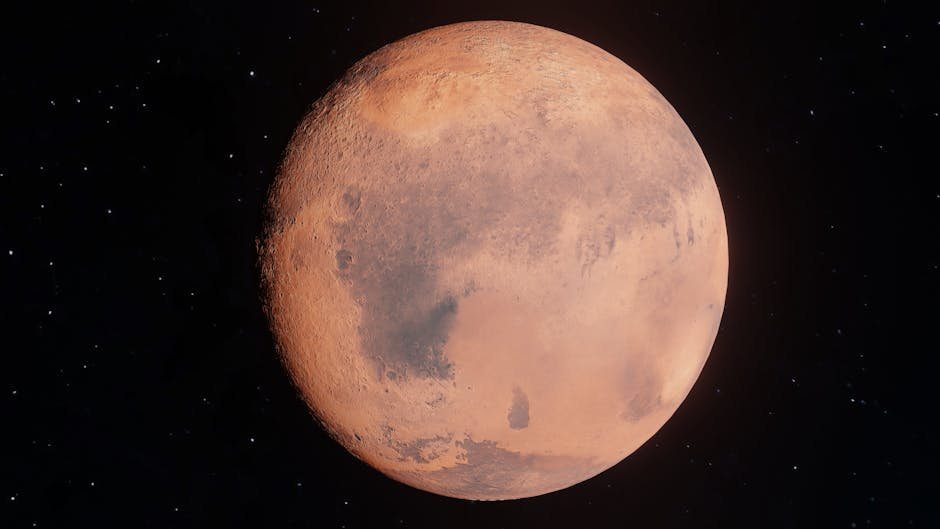
Marsquakes: The Red Planet’s Rumbling!
Mars a dead, frozen rock? Ha! Not even close. The Red Planet? Putting on a show. Marsquakes are shaking things up. Way more than scientists ever expected. For ages, everyone thought Mars was just quiet, cold, totally inactive. And another thing: that idea? Dead wrong.
So, since 2018, there’s this InSight lander. Sitting on Mars. Just listening. Its main job? Find out if quakes even happened there. What it uncovered? Totally messed up our whole view of our dusty neighbor. Challenged everything we thought we knew about Martian geology. Big deal.
Mars? Totally Lively
But, for years, we sent probes. Unmanned little things. All sending back bits of info. A big change came with the InSight lander, though. Not some regular rover. No, this thing’s a fixed science spot. Made to dig deep – seismically speaking – into Mars’s insides. It checks the air, the dirt. And what’s below all that. Essential stuff.
This InSight thing has a key gadget: a seismograph. What’s its mission? Find tiny shakes. Any hint of stuff moving underground. By 2019, bingo. InSight started finding small movements. Faint rumbles. Mars wasn’t so still after all. These first finds? Pretty small. Almost not even real quakes. Then. 2021 hit.
2021’s Big Rumbles
August 25, 2021. Woah. That date got science folks seriously buzzed. InSight’s seismograph? It went crazy. Caught the strongest marsquake seen yet. Not some little shake.
And the signals? Pointed right to Valles Marineris. That’s the huge canyon zone, super clear from space. Big-time trenches marking up Mars. Scientists knew it. Something major.
A Quake That Just Kept Going
Only a couple weeks flashed by, then boom! September 18, 2021. Another big one rattled Mars. This one, maybe 4.1 magnitude. Not just powerful. No, this one was insanely long. This marsquake went on for a crazy 94 minutes.
Think about it. Longest quake ever recorded off our planet. And where? Again, Valles Marineris. The fact it lasted that long? Blew scientists’ minds. Made them totally rethink everything. How? A “dead” planet, making all that noise for so long? Impossible!
Why All These Rumbles?
The science crowd? Totally full of ideas. Like, how does Mars – no big magnetic shield, looks cold and dead – have such big shakes? Everyone always thought it had a mostly frozen core. Not much heat inside. And no signs of volcanoes working right now.
Because at first, some thought meteor impacts. Apollo missions on the Moon, back in the ’70s, found quakes from space rocks. But those are usually small and quick. A 94-minute shudder? That’d need a rock so colossal, nobody could miss it. No impact. Definitely not recorded.
Still Got a Gooey Core?
But here’s a cooler idea. Mars might not be as cold and dead as we figured. Some scientists actually think Mars still has a partly gooey core. Not pulsing like Earth’s core, obviously. Not nearly as squishy. But this hot rock stuff could still be moving. Super slow movement. Still driving some tectonic action beneath the surface.
Same age as Earth. So for its core to be totally frozen solid? Some researchers say no way. If there’s still heat, still magma under the Mars crust, wow. That opens up some crazy potential for exploring later on.
Why Marsquakes Are a Big Deal for Future People There
So, figuring out these Marsquakes? Not just for nerdy interest. If Mars really has a warm, molten core – even a little – it hints at hidden heat power. Geothermal energy! Future human settlements on Mars? They could actually use that heat from inside the planet.
Imagine this. Building huge, safe cities. Underground. Safe from the super bad radiation on the surface. And powered by the planet’s own heat. Game-changer. But we’re still just getting info. Still figuring out what’s really happening with the Red Planet’s deep, rumbling secrets. The universe, man. Always got more questions than answers. And Mars? One of its coolest mysteries for sure.
Quick Hits
Q: What’s the InSight lander’s main gig?
A: InSight went to Mars mostly to check its guts. That includes the air, the dirt, and mostly, to find and study marsquakes using its seismograph thingy.
Q: Strongest marsquake’s date and place?
A: Strongest one was August 25, 2021. Came from the Valles Marineris area.
Q: Longest marsquake duration?
A: The longest one went for 94 minutes, September 18, 2021. Also came from Valles Marineris.