Ever wonder what pushes empires to the brink? Family feuds on the battlefield, maybe, turning kin against kin. This isn’t just dusty history. It’s high-stakes drama. A whole continent gripped.
Murad I Takes On Family (And Everyone Else)
So, picture this: Sultan Murad I kicking back in Edirne. Waiting for the next campaign. But then, boom! A bombshell from Anatolia. His own son-in-law, Alaaddin Ali, the Karaman Bey, had teamed up with the Teke Bey. They’d muscled in on land the Ottomans just bought from the Hamitoğulları. Murad was completely fuming. He’s conquering the Balkans, right? And this guy, his damat, stabs him in the back? No way. Unforgivable. He spun his horse and rode east. Headed straight for Anatolia. Time to set things straight.
Alaaddin Bey, the big Karamanid boss, knew he was in deep, deep trouble. Murad rolled into Bursa, getting his forces ready. And while the Ottomans and Karamanids hadn’t really gone to war properly before, the tension was thick enough to cut. Both sides: expansionists. The Karamanids saw themselves as Seljuk heirs, sure, but the Ottomans, with their whole “gaza” holy war thing going? They were shining way brighter. So, by 1386, Murad marched through Kütahya and right into Karamanid territory. Alaaddin Ali Bey, with Mongol tribal fighters and other allies, met him at a place called Frenk Yazısı. A spot famous for Crusaders, actually, before they hit Konya.
Fast forward to that Battle of Frenk Yazısı. Both sides stacked up about 20,000 fighters. The Ottomans had a special formation. Horsemen and infantry. The Karamanids? All cavalry. Neşrî, who was there, sketched out the whole event. Karamanids struck first. A Mongol unit, all samagar-armored, charged hard. Waves of others followed. They slammed into Kara Timurtaş Pasha and those Germiyan soldiers up front. Archers shielded them from the back.
Then, Prince Bayezid, Murad’s son, got the call. Off the left flank he went, like a rocket. Speed was everything here. Those enemy horse archers could just disappear if he wasn’t quick enough. Ottoman goal? Simple. Encirclement. Kutluca Bey and Eyne Subaşı jumped into the mix from the right. Trying to pinch Bayezid’s targets. Kara Timurtaş ordered his men forward. A center-punch. To break their line. With Ahmet Çavuş and Sivrihisar Subaşı’s guys pushing, and Saruca Pasha and İlyas Bey’s infantry on the sides, it became a bloody, suffocating squeeze on the Karamanids. Timurtaş Pasha and Alaaddin Bey? They even went at it, locking swords. The Mongol beys? First in, first out. The Karamanid-allied Turkmen beys followed. Alaaddin Bey, all alone and looking at utter defeat, bolted. High-tailed it to his castle, just barely escaping capture. Crazy.
The Ottomans didn’t let up. Sieged the castle. Trouble started when some Serb vassal Prince Lazar’s soldiers, who were helping out, got a little too wild. They faced harsh punishment. And another thing: that specific decision would spark much bigger fires later. After two weeks outside Konya, Nesibe Hatun, Murad’s daughter and Alaaddin’s wife, stepped in. She begged her father to spare her husband. Murad said okay. Alaaddin kissed his father-in-law’s hand. He knew who was boss now. So, Murad, having sorted things out with his son-in-law and the Teke Bey, headed back to Bursa. Mission accomplished. For now.
Whispers of War: The Balkans Stir
But peace? Fleeting. The Ottomans kept poking their noses into other Anatolian boss-lands, like the Candaroğulları. They’d had decent relations. Because a family mess-up involving Bayezid’s son Süleyman, who ran to Bursa after causing trouble, gave Murad I a perfect opening. He gave Süleyman an army. Sent him to get his father’s throne back in Kastamonu. Made him an Ottoman vassal.
And it wasn’t just Süleyman looking for a safe spot. The Amasya emir, too, ended up in Bursa. The Ottomans really wanted Amasya and Tokat. Big trade route cities. Kadı Burhanettin controlled them, and those spots were super important. The Ottomans even teamed up with the Mamluks just to handle that situation.
Meanwhile, back in the Balkans, things were rapidly heating up. Serb soldiers, fresh from fighting with the Ottomans, weren’t happy campers. How they were treated back home just made anti-Turkish feelings worse. The Morava region filled up with Serbs running from Ottoman expansion. Prince Lazar, who’d been itching for a fight against the Ottomans forever, felt the tide turning his way. Especially with Hungary’s political mess. He started building an anti-Turkish group.
King Tvrtko I of Bosnia. He ruled tons of land. Knew Lazar. Allies, those two. Vuk Brankovic jumped in as well. Only King Shishman of Tirnovo seemed unsure. A victory Lazar supposedly scored against Turkish raiders at Polisnekte in 1387 gets credit for cementing the alliance. But some historians say it was more just a small fight, or mixed up with Niš falling.
The Ottomans’ next move connected to something else. After the Battle of Savra, Durad Balšić II took over. But he’d lost a ton of land. He played a sneaky diplomatic game. Kept ties with both Lazar’s alliance and the Ottomans. He even egged on Turkish raiders. To hit up his enemy, the Bosnian kings. Turkish raiders, for the first time, pushed into Bosnia as early as 1386.
In the winter of 1387, Durad Balšić II went to Bursa. Begging for more help against Tvrtko. Murad I gave the job to Kavala Şahin Bey, a guy who really knew Albania. Murad himself renewed ties with Byzantium. Got some new marriage alliances going. The city of Thessaloniki, under Ottoman siege since 1383, finally fell in April 1387. Its rebel prince, Manuel II, fled to Bursa. Then sent to his father. Alliances were getting TIGHT.
Kavala Şahin Bey, with Durad showing the way, led a massive crew of Rumeli raiders through Ohrid to Zeta. The Prince of Zeta even tagged along. Their mission was dead clear: plunder for cash, scout the area, snatch captives, and ease pressure on Zeta. These raiders hit towns and villages south of Bosnia. Even caused trouble for the Ragusa cities. Tvrtko didn’t just sit there. He sent his best guy, Vlatko Vuković, to kick them out. In August 1388, Vlatko ambushed Kavala Şahin and his forces near Bileća. Crushing defeat for the Ottomans that day. This victory utterly pumped up the anti-Ottoman alliance. King Shishman, who’d been sitting on the fence, now openly backed them. Hardened his stance against Murad. Big time.
The Road to Kosovo
The Bileća defeat. The whole Balkans ganging up. Sultan Murad I made a decision: campaign season or not, it was GO time. He sent out the call. Summoned the biggest army the state had EVER seen. Vizier Çandarlı Ali Pasha led the first wave. Timurtaş Pasha stayed put. Guarded Anatolia. Murad would follow. Crossing from Gallipoli to Rumelia.
Ali Pasha set up shop in Edirne. Gathered commanders like Yahşi Bey, Şahin, and Kutluca. Everyone wondered: where next? The target: beyond the Balkan mountains. The point? Stop Bulgarians from circling the Ottoman army. From the north and northeast. During the main Serb campaign.
The army pushed through mountain passes. Brutal winter. The Bulgarian King Shishman had promised surrender at first. Then he reneged. Heard Serb reinforcements were coming. Murad I then ordered Ali Pasha: conquer those Bulgarian castles! Murad moved to Plovdiv for the main thrust. Shishman fled. First to Tarnovo, then Niğbolu. Ali Pasha went after him. Captured Tarnovo, the old Bulgarian capital. And key fortresses in central Bulgaria. He absolutely crippled the Bulgarians. Ivan Shishman, totally regretting his choices, met Murad. Begged for forgiveness. Murad spared his life. Returned his lands. Shishman got the message. His own brother hadn’t helped him.
Ali Pasha joined Murad after the Bulgarian job was done. The Ottoman army hunkered down in Plovdiv. Two months stuck. Terrible weather. Flooded rivers. Meanwhile, what do you know? The allied army gathered up near Kosovo. Serbs, Vlachs, Bulgarians, Bosnians, Herzegovinians, Croats, Albanian nobles, even a small group of Hungarians. The real game-changer could have been the Hungarian King Sigismund. But he was fighting with both the Serbs and Bosnians. Their infighting? A massive leg up for the Ottomans.
Kosovo Field: An Empire’s Crucible
By June 1389, the Ottomans hit Gümüşhisar. The allied army was already dug in on the Kosovo Plain. North of Pristina. And already? The allies were squabbling. Hours of haggling over Serb nobles fighting for the Ottomans. Suspicions of spies everywhere. Balkan princes and kings, who couldn’t even get along in peacetime, definitely weren’t finding unity on judgment day.
The Ottomans didn’t have dedicated reserve forces. But Murad I planned to use his rear guard if needed. Ottoman strengths: their agility. Shifting units around. Changing formations super fast. Official records are fuzzy on the exact date. But on the morning of June 1, 1389, Ali Pasha’s forces launched a brutal advance. Drums, zurnas, war cries. Ear-splitting. They shattered Serb archer units. Killed their commander, Yorgi.
Then, an artillery duel. Allied cannons fired first. But their shells fell short. The Ottomans, with their more modern weapons, rained down deadly fire. Caused serious damage. After the big guns, Ottoman archers let loose. Harassing enemy cavalry. The allied heavy cavalry got fed up with the arrow storm. They charged. Infantry right behind. The Azaps met them head-on. But Lazar’s attack was fierce. Stronger than expected. Bayezid’s forces, really dug in, held firm. Yakup Çelebi’s men, though, did a controlled retreat. Was it planned by Gazi Evrenos Bey? Or just a brutal Serb charge? Who knows? No one knows for sure.
The allied forces crashed through the Ottoman left flank. Reaching the supply lines. Total havoc on the logistics. Killing men and animals. Scattering equipment. Some retreating Ottoman soldiers desperately regrouped. Barricaded themselves. Determined to hold. This was the bloodiest part. If it was a tactic? High cost. The tide seemed to turn. Serb cavalry on the left then wheeled around. Slamming into the Ottoman center. Screams. Clashing metal. Horses neighing. Utter chaos. Hand-to-hand. No quarter given. Serb soldiers pushed within meters of Sultan Murad himself. The Ottoman situation was dire.
Murad I, grabbing control, ordered a counter-attack. Most European armies would’ve broken from that kind of heavy cavalry charge. Lazar probably bet everything on one knockout punch. Standard medieval warfare. But the Ottomans were disciplined. Flexible. That’s how they survived. Murad I gave the command. Bayezid sent some men to help the center. And personally led the rest against his immediate enemies. Ali Pasha and other commanders, with light cavalry, joined the mess. Some boosted Yakup on the left; others closed the gap. Between the left flank and the center. These precise and complicated moves, pulled off perfectly, leveled the battlefield again.
From that moment on? The fighting went bananas. Super intense. Never seen before in Ottoman history. Soldiers cut down in crazy numbers. Bayezid absolutely tore into his opponents. Savage fury. As the assault got worse, unease spread among the Bulgarian and Bosnian units on the right flank. Control was slipping away. They wondered if victory was even possible. Anything left to gain? They started looking for an exit. Vlatko Vuković, the Bosnian Ban, didn’t want to lose more men for the Serb cause. He pulled his troops out. So fast he didn’t even see the rout.
Vlatko leaving? Left Lazar’s flank wide open. Bayezid, like lightning, struck. He surrounded Lazar from the left. Those who saw him arrive were energized. Fought harder. The momentum was all with the Turks now. The allied forces, their morale totally gone, couldn’t stop the counter-attack. Couldn’t regroup. Vuk Brankovic, Lazar’s father-in-law, in the center, was in even worse shape. He figured out defeat was coming. Pondered the Serb throne. Some say Murad had already offered him Lazar’s spot. Before the battle. With an eye on his own power, Vuk abandoned the battlefield. Lazar, clueless about the bigger collapse, died on the field shortly after. His soldiers just scattered. A complete rout.
The Sultan, realizing victory was theirs, sent his sons to chase the fleeing enemies. Towards Mitrovica and Kurşunlu. The eight-hour Battle of Kosovo. Done. Historian Gibson reckoned such a collapse was bound to happen for the allied forces. Murad I, a smart old veteran who knew all about the poisonous rivalries within their supposedly united crew, had just waited. Patiently. Then, he expertly used military cleverness and political smarts to get the win. A huge one.
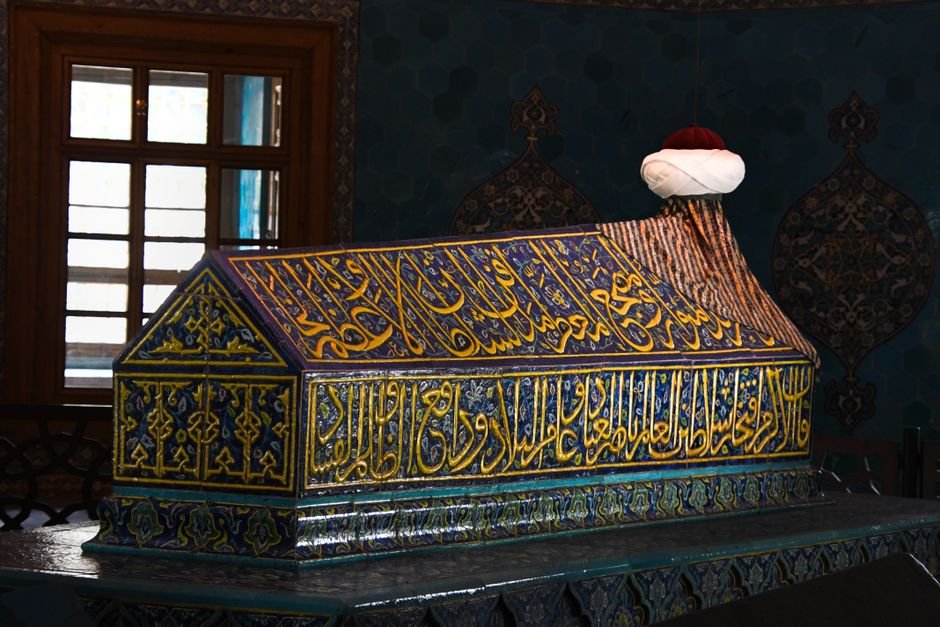
As Ottoman cavalry chased the last bits of the enemy, Sultan Murad I looked over the still-ringing battlefield. Checking on the wounded. Accepting noblemen surrenders. Then, suddenly, he was attacked and killed. By a Serb named Miloš Obilić. Just like that. Murad I, whose whole story began and ended in blood, closed his eyes amidst a red tide.
Bosnian King Tvrtko, miles away from all this, heard Murad’s dead. Mistakenly thought the allies had won. He immediately sent messengers across Europe. Bragging about his army’s great victory over the Turks. Charles VI of France even went to Notre Dame Cathedral to say thanks! Tvrtko, having not seen the battlefield with his own eyes, remained totally unaware of the Ottoman triumph. The Ottomans had secured a massive win against those trying to kick them out of the Balkans. Europeans now got it: the Ottoman presence wasn’t just another bunch of nomads. It was here to stay. That Kosovo victory left Northern Serbia defenseless. Big open road to the Danube for the Ottomans.
Murad I? He was more than just a powerful ruler. A skilled commander. A winning leader. He opened the gates to a brand new home for the Turks. And he walked through those gates himself. Making those lands their actual home. His heart rests in Kosovo. The original Balkan Turk. A lasting symbol for those raiders who galloped from Edirne’s walls to the Danube. His banner hadn’t hit the ground. Soon enough, a new Sultan, Bayezid, would grab it.
Frequently Asked Questions
Q: So, what kicked off the fight between Sultan Murad I and Alaaddin Ali Bey?
A: Well, Alaaddin Ali Bey, Murad I’s son-in-law, got together with the Teke Bey. They just seized lands in Anatolia that the Ottomans had recently bought. That really ticked off Murad, especially since he was busy fighting in the Balkans.
Q: What really helped the Ottomans win at the Battle of Kosovo?
A: The Ottomans won because of their disciplined army and how flexible they were. Moving units fast, changing formations. Also, the allied Balkan princes and kings were constantly arguing among themselves. Big disunity.
Q: What happened right away after Sultan Murad I was killed on the battlefield?
A: Crazy, but Bosnian King Tvrtko heard Murad died and thought his side had won. Oops. He didn’t know the Ottomans were actually champions. The Ottoman guys, Murad’s sons, chased the fleeing enemies. They locked down Northern Serbia. Paved the way to the Danube for good.