The Real Story: Intel’s California Roots in Silicon Valley Tech History
Ever think about how eight super-smart engineers, folks called the “Traitorous Eight,” totally changed the world? They did it from a tiny backroom restaurant, right here in California. Cuz Silicon Valley Tech History isn’t just shiny new companies. It’s built on gutsy people, big risks, and constant new ideas from giants like Intel. This place—our Golden State—has a real buzz. A willingness to break the mold. That sparked a revolution.
California Kicked It Off: Modern Computing’s Birthplace
Back in ’68, Bay Area was getting hot. Robert Noyce and Gordon Moore, already big shots in the chip game, were just done with the corporate grind at Fairchild Semiconductor. Seriously. They had this wild idea: make high-tech chips for everyone, not just the military. So, they just up and left. No fancy business plan. Just a crazy dream and reputations that were solid gold. Legendary investor Arthur Rock? He gave them $2.5 million. From a one-page, kinda vague memo! That’s a boss move.
At first, NM Electronics. Not great. Sounded too much like ‘more noise’ for an electronics company, folks said. So, “Integrated Electronics” became Intel. They even paid another small company for the name. Crazy, right? First mission? Not processors, but memory chips. Computers used to have slow, clunky magnetic core memory. Gross. Intel wanted to crush that stuff. And they did! The Intel 1103 chip, like a tiny sliver of silicon, replaced huge memory systems. Dominated the market fast.
Then, boom. A lightning strike moment. Busicom, a calculator company from Japan, needed 12 custom chips. Ted Hoff, an Intel engineer, had this wild thought: One chip. Could it do all 12 jobs, just programmed? Federico Faggin, an Italian physicist, shaped it beautifully. The 4004 was born. The first commercial microprocessor. A tiny programmable brain! Intel, seeing the gold, pulled a clever move. Bought the rights back from Busicom, struggling financially, for literally just $60,000. Total steal of the century, a lot of people still say.
Visionaries Who Built It: California’s Brains
Intel’s tale? Hella about its people. Robert Noyce, loads of charm. Gordon Moore, a quiet genius. They started it. But Andy Grove, tough as nails, got Intel through hell. Their 8008 chip? Client said no way. Marketing wanted to dump microprocessors. Noyce and Moore stood firm. They pushed those chips to everyone. Found demand in crazy places. Traffic lights. Bottle factories.
Grove stepped up the game, big time. Rivals were poking at Intel’s chip lead. So he started “Operation Crush,” pushing everything they had: support, tools, not just the chips themselves. Genius. Later, he basically cut ties with IBM. Refused to share designs for the awesome 386 processor. He said no. Huge gamble. Shifted power in PCs forever. IBM was out. But Compaq said yes, releasing the very first 386 PC. Stole the performance crown! Suddenly, it wasn’t about the PC brand. It was ‘Intel inside’.
Decades later? Pat Gelsinger, an Intel guy for life, got ’em back on track. Now it’s Lip-Bu Tan, an outsider but with chips in his blood. These are the folks who really pushed things. Made tough calls. And, yeah, sometimes they learned things the hard way. It hurt.
From Parts to Popular Culture: “Intel Inside” Everything
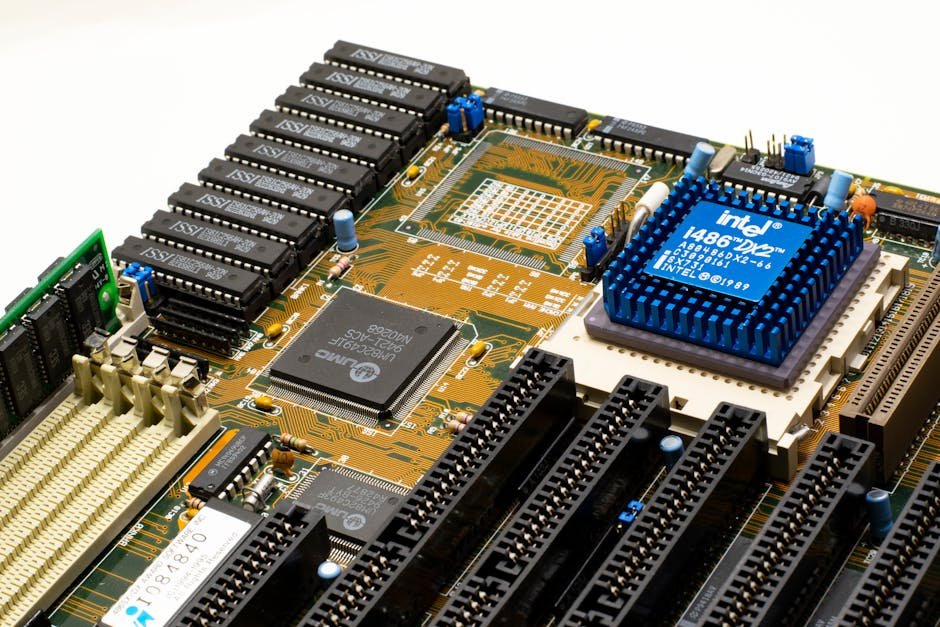
For a long time, Intel chips? Just numbers. 386. 486. Fine for nerds. But your grandma? Nope. Didn’t care. Other companies even copied the numbers. The courts said hey, you can’t trademark numbers. So, Intel was in trouble. How do you brand something you can’t even see?
Then came marketing whiz Denis Carter and Andy Grove. They dreamt up ‘Intel Inside.’ The whole plan was killer. Here’s the deal for PC manufacturers: put our Intel Inside logo on your stuff and in your commercials? We pay half your ad money. PC guys, already pinching pennies, could not refuse. And just like that, a totally boring chip maker became a global brand. People actually started asking, “Does it have Intel inside?” when buying a computer. This company, born and bred in California, made a plain part a mark of quality. Everyone knew it.
This whole brand thing? Tested big time in ’94. The ‘Pentium bug.’ Some math professor found a flaw in the Pentium. Intel’s first reaction? They totally blew them off. “Only rocket scientists would even notice.” Seriously? That just made people madder. Then, IBM, usually a friend, stopped all Pentium PCs. Said Intel’s chips weren’t good. A death blow! Grove, realizing Intel wasn’t just some engineering firm anymore but a consumer brand, made a hard pivot. He okayed a no-questions-asked recall. Replaced any Pentium chip you wanted. Cost? $475 million! But it truly saved Intel’s name. Built tons of trust.
The Silicon Valley Spirit: Bouncing Back Strong
Intel’s whole story is pure California tech grit. How we bounce back. They nearly went belly-up in the 80s memory market. Brutal competition from Japan kicked their butts. They canned a third of their staff. Closed factories. Got out of memory completely. The entire reason they started! Talk about a crazy pivot.
But out of the memory ashes, the microprocessor phoenix rose. AMD and Motorola started snapping at their heels in the “gigahertz race.” Intel, even with some oopsies like the power-hogging Pentium 4, really pushed platform innovation. Their team in Israel? Developed a small, super-efficient chip for laptops. Smart move. This created the Centrino platform. Not just the chip. Also Intel motherboards. And, super important, Intel WiFi cards. Suddenly, WiFi was just there in laptops. Hotspots blew up everywhere. What a comeback.
They got through falling PC sales. And missed the mobile phone boom. (Yep, turned down Steve Jobs’ iPhone chip idea.) Stumbled with factory delays too. Their ‘tick-tock’ cycle? Broke. But in Silicon Valley, you don’t stay down. New leaders came in. Intel launched IDM 2.0. A gutsy plan to let others make some stuff. And open their own factories to the world. A huge switch from “we do everything.” Billions are flooding into new plants, like in Ohio, nicknamed “Silicon Heart.” Gotta keep America technologically strong. This isn’t just Intel! It’s our whole US tech future.
California’s Legacy: A Never-Ending Saga
The impact of Intel’s California genius? Huge. Still getting bigger. They invented the chip for the first PCs. Set things up for Microsoft. Drove the internet’s server backbone. Intel has always changed our digital world. Their newest chips, like the Pantherlake Core Ultra 300 series, made right here in the USA with fancy 18A tech, are raising the bar for laptops. Crazy battery life! Up to 27 hours!
Intel is still super vital in global tech. Even with new fights in AI and cloud stuff. The battle’s not over. This continuous story of new ideas, changing up, and tough competition just shows what Silicon Valley Tech History is all about. Big companies? They always gotta rethink. To stay in the game.
Questions People Ask
What did Intel actually do when they first started?
Memory chips! That was it. Not processors. They just wanted to replace those huge, pricey magnetic core memory things in old computers. Bad stuff.
So how did Intel brand those processor names, like ‘386,’ when they couldn’t trademark them?
“Intel Inside”! They cooked up that amazing marketing bomb. Offered to pay half the ad costs for any PC maker who slapped the Intel Inside logo on their machines. Seriously. Turned an unseen part into a famous brand. People wanted it.
What the heck was “Operation Crush,” by Andy Grove?
Andy Grove launched this super aggressive sales and marketing thing back in the late 70s. Motorola and Zilog were getting ahead technically. So Intel focused on everything else. Tools. Software help. A steady supply chain. Just drowned the competition with better market support. Crushed ’em, actually.