Tired? Here’s How to Actually Sleep Better, Get Stuff Done
Ever wonder why you’re still dragging your feet? Even after a whole night of rest? You’re probably burning the candle at both ends, doing that classic California hustle. But your brain? Feels like it’s running on empty. It’s not just about lying there for hours. It’s totally about what happens when you’re out cold. To really, truly improve sleep quality, you need more than just wishful thinking. It’s about getting the whole sleep deal just right.
Sleep: Why It’s a Big Deal
Just think about it. Sleep. The biggest biological puzzle, right? We literally just dip into this weird, coma-ish state. Our brains are doing wild things, full of “crazy hallucinations”, while our physical body is super still. And what’s even weirder? We’ve figured out hunger, thirst, and making babies. But sleep? It’s still playing hard to get.
Here’s the harsh truth. Skipping actual sleep? It’s totally not just about being tired. It’s a real kick in the teeth to your health. Your brain gets fuzzy. Your memory goes to crap. Learning new stuff? Oh man, that becomes a seriously tough fight. Productivity? No chance. You just drift off. Get easily sidetracked. So, if your morning alarm has you needing an IV drip of coffee, seriously, question how good your sleep really is.
Sleep? It’s like your brain’s personal ‘save’ button. Super important. All that information you took in all day? It gets put away into your long-term memory while you’re just chillin’ out, catching Zs. But here’s the kicker: sleeping before learning? Just as vital. Your brain’s a sponge. It needs to be ‘dry’ and totally ready to take in fresh knowledge.
The Sleep Countdown: 10-3-2-1-0
This isn’t some crazy complex math problem. Nah. It’s just a countdown to seriously good sleep. A simple trick. Basically, a straightforward set of steps for changing up your evenings.
Let’s get into it:
- 10 hours before bed: Caffeine? Done. Say bye-bye. No coffee, no black tea. If you want a warm drink, grab a decaf or another choice like Rooibos.
- 3 hours before bed: Zip up your kitchen, people. Stop eating. Stop drinking too much. Your body needs to chill, not be busy breaking down food.
- 2 hours before bed: Laptop down. Step away from those work emails. No more working hard. Your brain needs a timeout.
- 1 hour before bed: Kill those screens. Phones, tablets, TV – lights out! That blue light messes with your body’s natural sleep signal, melatonin.
- 0 snoozes: This. This is the big kahuna. Try to wake up without hitting snooze. The dream? No alarm at all. Sounds insane, I know. But it’s the main idea for a good morning.
Keep Your Sleep Consistent, Seriously
Consistency. Super important, folks. Your body absolutely loves routine. Going to bed and waking up at the same time? Every single day? That helps glue down your circadian rhythm. That’s your special internal clock.
And forget that whole “catching up on sleep” thing over the weekend. Seriously. That just totally screws with your system. Pick a specific bedtime. Even if it feels a little random initially. Make it easy to remember. Once you pick that time, you gotta stick to it. Your body will definitely, definitely appreciate it.
Your Bedroom: Make It a Sleep Cave. Cool, Dark, No Screens
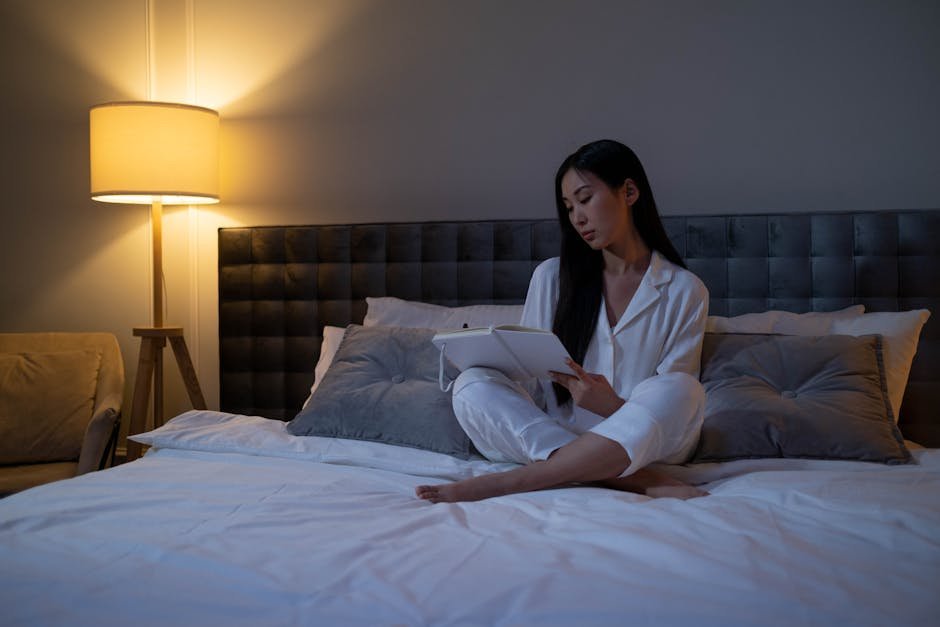
Your bedroom? It needs to be your personal sleep cave. A real chill spot, built for crashing. That means no bright screens, no harsh lights. Get it as dark as you humanly can. Think heavy curtains to block out those city lights, or even just that tiny bit from a streetlamp. And keep it cool. Most pros say mid-60s Fahrenheit is perfect for the room temp. A cooler room practically tells your body: ‘Hey, time to shut down.’ Cool, dark, and no gadgets. Period.
Know Your Sleep Cycles: REM & Deep Sleep (Why They Matter)
Sleep isn’t just being totally out cold the whole time. Nope. It’s a complex trip through various stages. Back in the fifties, scientists found this thing called Rapid Eye Movement (REM) sleep. That’s when your eyes are darting around under your closed lids. This? This is where all the wild dreaming goes down. Your brain totally lights up, nearly as busy as when you’re awake. Using dreams for mental tune-ups.
Then, you’ve got deep sleep. Your heart and breathing slow right down. This is your body’s renewal phase, you know? Physical repair, fixing muscles, new tissue growth – it all goes down deep. Seriously, going to bed early helps you get the most from this super important deep sleep. Both REM for your head stuff and deep sleep for your body’s repair are absolutely necessary for real quality rest.
An Extra Hour of Sleep? Game Changer
Just adding a little more sleep? Huge impact! Check this out: a study from some California high schools. Kids who were already getting decent SAT scores? They started school just one hour later. One extra hour of sleep. And the kicker? Their average SAT scores shot way up.
But think beyond schoolwork. Research on daylight saving time gives us some shocking numbers: when we lose an hour of sleep in the spring, heart attacks go up 24%. When we gain an hour in the fall? They drop 21%. This isn’t just about feeling good; we’re talking serious health results. That extra hour of sleep is not some fancy extra. It’s a total lifeline.
How Much Sleep? It’s Different for Everyone (But 7-9 Hours Generally)
Look, there’s no magic number for everyone here. For grown-ups, the sweet spot usually lands between 7 and 9 hours. But it’s a range for a reason, right? What works for one person might totally not work for the next. Some folks are good to go on 7 hours. Others? They need closer to 9 to feel really ready to tackle the day.
The actual game-changer isn’t just logging hours. It’s the quality of those hours. You could be in bed for almost 9 hours, but if you’re only really sleeping for 8 of those, something is just plain off. Stuff like sleep trackers? They can help you figure out your best personal rhythm, checking not just how long you’re out, but your actual sleep cycles. Listen to your body, man. Find what works for you.
Good sleep? Not a bonus. It’s the foundation for everything. Make it a top priority.
Frequently Asked Questions
Q: How does sleep help my memory and learning?
A: Your brain’s “save” button. That’s sleep. While you’re snoozing, your brain takes all that new info and stores it in your long-term memory bank. And get this: sleep before learning also gets your brain ready to take in new stuff way better. Like a dry sponge, you know?
Q: What’s the ’10-3-2-1-0′ thing for sleeping better?
A: It’s a simple countdown for hitting the hay: No caffeine 10 hours out. Hands off the snacks or too many drinks 3 hours before. Quit working 2 hours ahead. All screens off 1 hour before. And try for zero alarm snoozes! That’s the main idea.
Q: Does an extra hour of sleep really change anything big?
A: Yeah, totally! Studies, even in US high schools, prove it. Just one extra hour of sleep can seriously boost schoolwork, like lifting SAT scores. And bigger research says small sleep changes link to major health stuff. Think heart attack rates during daylight saving time changes. Wild, right?