Memory: How Brains Store Stuff & Why We Sometimes Forget Everything
Ever wonder why some memories stick like superglue while others just vanish into that Golden State fog? Human memory. It’s seriously incredible. Way more than just a party trick, either. Fundamental to who we are, it shapes everything. Like, remembering where you left your car at the beach! Or processing some really complex stuff. Think your brain just stacks memories neatly in a corner somewhere? Nah. The real story? Way more dynamic. And, frankly, a little wild.
Memories Are Everywhere, Not Just One Spot
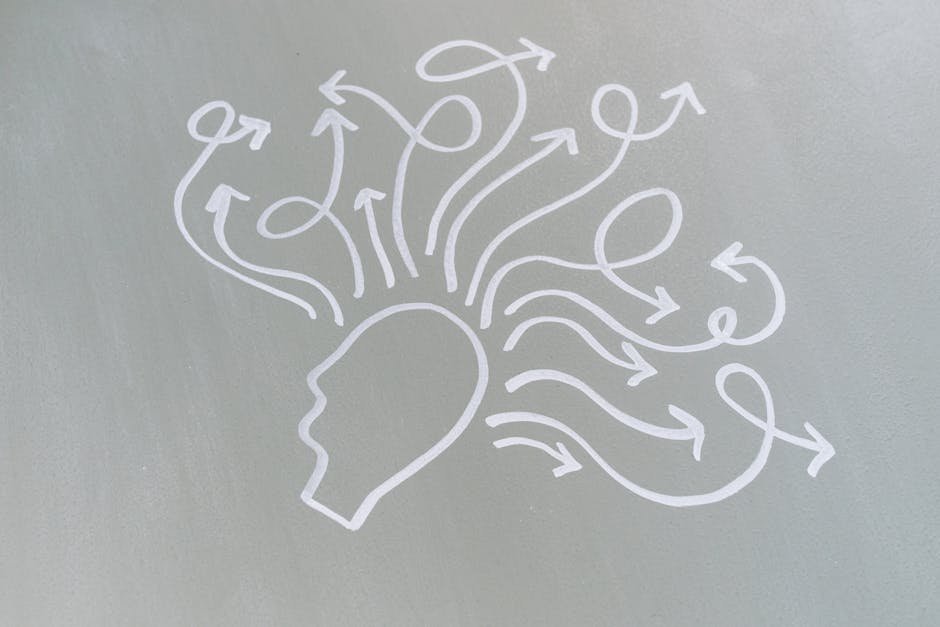
Forget Hollywood. Memory isn’t some dusty old library. Or rooms full of perfectly stacked boxes. Our brains don’t work like that. Memories? Scattered. All over your brain. Big team effort.
So, one memory – like your breakfast today? Different brain cells doing different jobs, all at once. One cell handles your avocado toast picture. Another? That coffee smell. And the taste? You guessed it. It’s not like you can point at it. More of an action, really. A network of connected neurons just going mental. This scattered setup is pure genius, letting a single bunch of neurons hold lots of memories, seriously pumping up your brain’s storage.
The Hippocampus: Memory’s Gatekeeper
Deep in your temporal lobe, sitting there, kinda like a seahorse (yup, that’s what “hippocampus” means in Greek), you’ll find a huge player in the memory game. We got a massive kickstart for understanding this thing back in 1953. Famous case. A patient had epilepsy surgery. Lost a big chunk of their hippocampus. After? Couldn’t make new memories. But could still perfectly remember stuff before the operation. Wild, right?
So, this means the hippocampus isn’t where memories just hang out forever. Nah. It’s the super important bridge. For making new ones. For moving them into those bigger, long-term storage spots. No hippocampus? New experiences might as well vanish. Poof.
Consolidation: Turning Experience into Lasting Memory
So, how do all those fleeting daily moments become, like, actual memories? It’s kinda mysterious. But scientists? They’ve seen some seriously cool stuff. Think about a mouse. It learns a maze. Researchers can track which brain cells get all lit up. Then, during “consolidation,” the brain basically zips that experience through itself again, over and over, making those brain cell connections stronger. Totally.
This super-fast mental rerun? That’s how critters – and us, too – move new memories into the long-term bank. And a familiar smell, days or weeks on, can trigger that exact same pattern in the mouse. Bam. Maze memory, back again.
When Imagination Feels Real: The False Memory Phenomenon
Okay, so here’s something wild: your brain is kinda bad. It can’t always tell what really happened from what you just made up. You keep picturing something you imagined? It can totally start feeling real. Seriously. Think about it: someone describes something super well. Or you tell yourself a story enough. Your brain networks can light up as if you were right there.
The more you play out a scene in your head – a scene you never actually lived – the more it locks in. Feels like a real memory. So, a parent asking leading questions? Totally can, by accident, put a false memory in a kid’s head. Daydreams? Be careful, y’all!
Synaptic Pruning: The Brain’s Efficiency Drive
Brains obsessed with being efficient. That’s where synaptic pruning comes in. Neurons, they chat at these spots called synapses. Pruning? That’s the brain just getting rid of extra neurons and connections. Super strong when we’re little. Babies? Born with a ridiculous amount of connections, sometimes forming 40,000 new synapses every second until they’re two. Insane!
We grow, we learn. Experiences boost the important connections. Unused ones? They fade away, get weak. This natural cleanup crew just scrubs the unnecessary brain bits, creating a healthier, more flexible brain. And keeps those neural signals flowing. Smoothly.
Neuroplasticity: We Never Stop Changing
Heard that one about old dogs and new tricks? Well, turns out, our brains? They love new tricks. Doesn’t matter how old you are. Neuroplasticity – or neural plasticity – it’s the brain’s wild ability to change. Structurally, physiologically. All through your life. Sure, kid brains have more of it, but studies from the late 1900s? They flipped that idea on its head, showing adult brains are totally changeable, too.
This constant changing means: always learning. Always recovering from boo-boos. Always adjusting to new places. Just picture the brain power for all this memory stuff!
The Art of Forgetting: More Than Just a Glitch
Remembering is vital. Yeah. But forgetting? Just as big a deal. Not always a glitch. Sometimes, it’s a good thing. At least three kinds of forgetting are out there.
Passive Forgetting. That slow fade we all get. Memories just kinda dissipate over time, perhaps because connections between brain cells weaken, or maybe the triggers (sights, sounds, smells) that get to them? Gone. And another thing: some theories even say memories might last forever, but new ones butt in, blurring the old stuff. Anyway. This slow decay? Happens to everyone. Just a fact of life.
And then there’s Targeted Forgetting. Often when you’re catching some Zs. This is your brain’s night shift. Cleans out random, useless info gathered all day. Deletes old memories. Like, if you just found out the world’s round, but yesterday you were sure it was flat? Brain gotta clear that old data. During specific sleep stages, your brain snips connections and deletes unnecessary memory circuits, making space for the important things. Info first lands in short-term memory, then, depending on how vital it is, and if you think about it A LOT, it either goes to long-term storage or gets junked. Memories are linked. Like threads in a custom California sweater. So, thinking of related stuff helps pull them out.
Finally, Motivated Forgetting. You actively try to ditch bad memories. C’mon, admit it. We all have moments we’d love to just wipe from our brains. That super embarrassing high school thing, right? This isn’t just wishful thinking. It’s your brain’s way. Of handling feelings. Keeps you sane. Helps you stay positive. Keeps your relationships cool. Don’t think about that bad memory? Its connections get weaker. Slowly. The memory itself? Probably still in there, but your brain just can’t locate it anymore unless someone really pushes it.
No forgetting? Man, imagine being haunted. Every negative thought, every messed-up event, with that original intensity. Couldn’t move past losing someone. Couldn’t accept new facts. But forgetting? It clears the brain mess. We replace old info with new, better stuff. And super important? It lets us live HERE and NOW. Just soaking up that chill vibe. Truly.
Frequently Asked Questions
Where are memories stored in the brain?
Memories aren’t in just one spot. Nope. They’re all over your brain. Different brain cells. All working together. Through physical signals. Chemical chats. Remembering? It’s an action. Not a place.
What role does the hippocampus play in memory?
The hippocampus. That seahorse-shaped bit, deep inside your brain. It’s totally vital for making new memories and moving them into long-term storage. Think of it as a gateway. Helps create memories. Helps them stick. But not where they end up living forever.
Can we intentionally forget specific bad memories?
Can you just choose to forget a really bad memory? Well, you can try “motivated forgetting.” Kinda ignore them, on purpose. That weakens the connections over time. But completely erasing specific memories? Nah. Not yet. Things like electroshock therapy can cause memory loss. Not targeted, though. Just a general wipe.