The Science of Dreaming: Unlocking the Secrets of Your Sleeping Mind
Picture this: August Kekulé, that German chemist dude, totally stumped by Benzene back in ’62. Slumped. Probably. Then, boom! A dream. Snakes chomp tails, forming a perfect ring. Problem solved. Chemistry? Never the same. All thanks to a midnight vision.
No, this isn’t just some crazy tale. Nope. This? A peek into the wild science of dreaming. Makes you wonder, right? How often do our brains cook up solutions or sort stuff out? Or cook up cool ideas while we’re out cold? Because we spend a ton of time in dreamland. Gotta be more than just weird stories, yeah?
The Night Show: When Dreams Take Center Stage
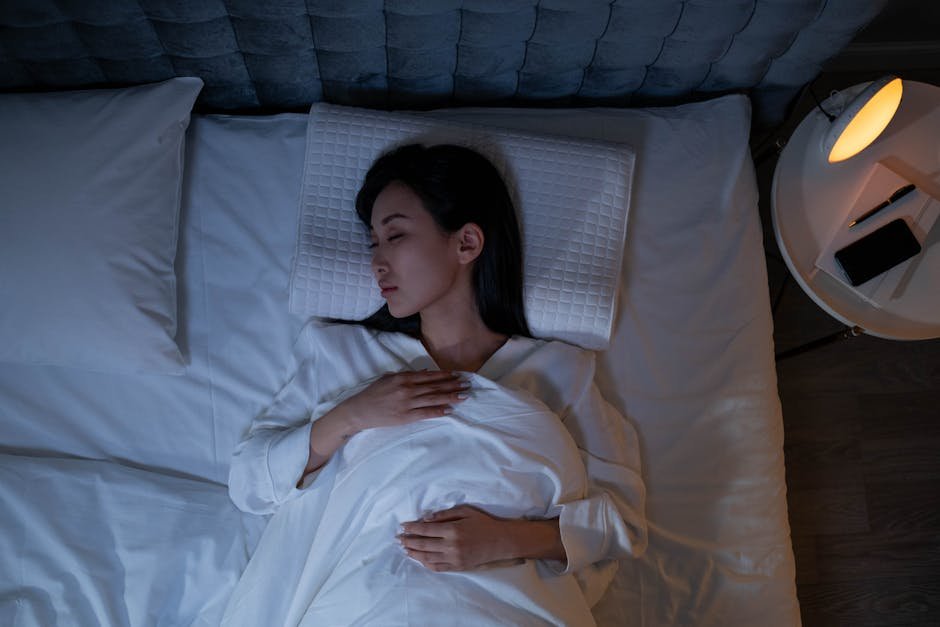
You hit the pillow. But your brain? Just getting warmed up. It’s not an off switch, sleep. Nah. More like a wild ride through stages. You ease into light sleep, then deeper delta waves kick in. And the best part? That’s REM sleep – Rapid Eye Movement.
Your breathing speeds up. Eyes go wild under closed lids. Magic time! Your brain’s on fire, almost like you’re wide awake. And it’s not just us humans. Cats, wildebeests. Everyone gets REM. Scientists guess? They’re dreaming too. So maybe Fido is chasing that juicy red ball in his sleep. For real.
Nightly Replays: Dreams for Memory & Learning
Ever dream a weird rerun of your day? Some glitchy snippet? Good reason for that. Your brain’s busy. Sticking memories down while you snooze. The day’s stuff? Fragile. Needs a replay. And dreams? They’re the brain’s own private screening room.
Catching some waves at Rincon. Learning a new coding trick. Even just absorbing yesterday’s gossip. Your unconscious. It replays it all. Then stashes it for good. People who mastered arcade skiing or played a ton of Tetris? They often dreamed about it. Brains were literally practicing. Locking those skills in.
The Threat-Simulation Theory: Nightmares as Practice Runs
No, not all dreams are sunny. Or beachy. Nightmares, those gut-wrenching scenarios that jolt you awake, are super common. One in forty? Dark. Why us? The Threat-Simulation Theory says: ancient brain programming.
Back in the old days, life was packed with actual danger. So dreaming up scary stuff? Safe practice for survival. Your brain learned to react then. Coping skills. While you slept. Amazing. Because while crucial for ancestors, some folks today? Awful chronic nightmares. Traumas replayed.
The Social Simulation Theory: Sharpening Your People Skills
Not just fake threats. Dreams also help with people stuff. The tricky bits of human interaction. The Social Simulation Theory? Says loads of dreams are social scenarios: a tense conversation with a boss. A first date that goes sideways. Or the no-pants-at-school freak out! Classic.
We’re social creatures. So practicing these crazy talks in sleep? Builds social smarts. Big evolutionary advantage. Zero real-world mess-ups.
Dreaming as a Creative Superpower
Remember Kekulé, the chemist? His benzene thing? No accident. John Steinbeck, the writer, said it: “Tough problem at night? Solved by morning, after the committee of sleep has worked on it.” Smart guy.
Dreams don’t care about logic. Or physics. Total wild card! Great for creative problem-solving. When college students focused on homework before bed? A full quarter dreamed the answer. Within a week! Crazy, right? That’s some serious brainpower right there. Working behind the scenes. And we owe countless masterpieces – The Beatles’ “Yesterday,” Salvador Dali’s art, Mary Shelley’s Frankenstein – to this illogical, weird dream insight. Scientists are even trying “Dream Incubation” to crank up that night-time creativity on purpose.
The Brain’s Night Shift: Keeping the Visual Cortex Online
So, why do we dream, anyways? Seriously. One wild idea: planet spinning. Ancestors? Big chunk of life in pitch dark. Think on that. Seeing? Super important. Huge advantage for survival. That visual cortex, big brain part for seeing? It’s huge.
But here’s the kicker: brains adapt fast. Blindfold yourself. Visual cortex gets new jobs. In an hour! Long nights, for our ancestors, meant vision centers just sat unused. A big no-no. Risked brain rewiring. Because dreams, with all the seeing? Maybe evolved to keep those brain paths busy. So the brain wouldn’t snatch that prime visual space for other stuff.
Beyond Fortune Telling: The Modern View of Dreams
Big difference now. For thousands of years, from ancient Egyptians to Freud’s Vienna, folks saw dreams as secret messages. From gods. Or deep inside. They needed decoding. Like, “dreaming of peeing in the Nile? Good harvest!” Crazy interpretations. Even Freud and Carl Jung, those famous guys, saw dreams as coded language. Hidden desires. Universal symbols.
But modern science? Yeah, moved on from dream books. Now, it’s about what dreams do for your brain. Early on, the “Activation-Synthesis Theory” said dreams were random brain noise. Just given a story. But nope. Experiments show they’re not random. They’ve got a purpose. More than one, actually.
Honestly? Still figuring it out. The sleeping brain is a tough nut for science. It’s possible dreams started for one thing. But they just stuck around because they ended up helping us in so many other ways. Who knows? The whole science of dreaming? A super complex, ever-unfolding story. One weird vision at a time. It leaves ya wondering, right? What’s your brain gonna tell YOU tonight?
Frequently Asked Questions
Q: How much of our lives do we actually spend dreaming?
A: You spend about two hours dreaming nightly. Do the math! Over 80 years? That’s about 60,000 hours. A whole decade of your waking life, but in dreamland! Wild.
Q: Do animals experience dreams?
A: Yeah, lots of animals. Your cat, your dog. Even wild ones. They get REM sleep too. And scientists? Bet they’re dreaming. Chasing that ball, catching critters. Regular stuff.
Q: Are dreams just random brain noise with no real pattern or meaning?
A: Nah, not random. Early theories kinda thought so. Brain just making up stories to random signals, whatever. But modern research says otherwise totally. Dreams? They’re not random at all. Specific themes pop up. They’re doing stuff. Like memory, learning, sorting out feelings.