Lenses for Killer Surf Shots: Your Go-To Guide from a Local
Ever stared out at those big waves off Malibu or Rincon, then wondered how the pros snagged those epic shots? Getting a surfer mid-action demands the right gear, big time. Especially when it comes to surf photography lenses. It ain’t just showing up with a fancy camera, no. And another thing: it’s about picking the right glass. The stuff that gives you your best shot at killer photos.
Forget the brand names for a sec – doesn’t matter if you’re rocking Canon RF lenses or something similar from Nikon or Sony – it’s all about the focal length. So, let’s break down what actually works.
Lenses for Land Shots: Get That 100-500mm and You’re Set
When you’re parked on the sand, trying to frame up a rider way out there, a long lens is your absolute best friend. Pro photographers, they often suggest the 100-500mm range. Now, you might think a 70-200mm f/2.8 is the bomb for portraits. But for surf? It usually doesn’t cut it. Not enough reach.
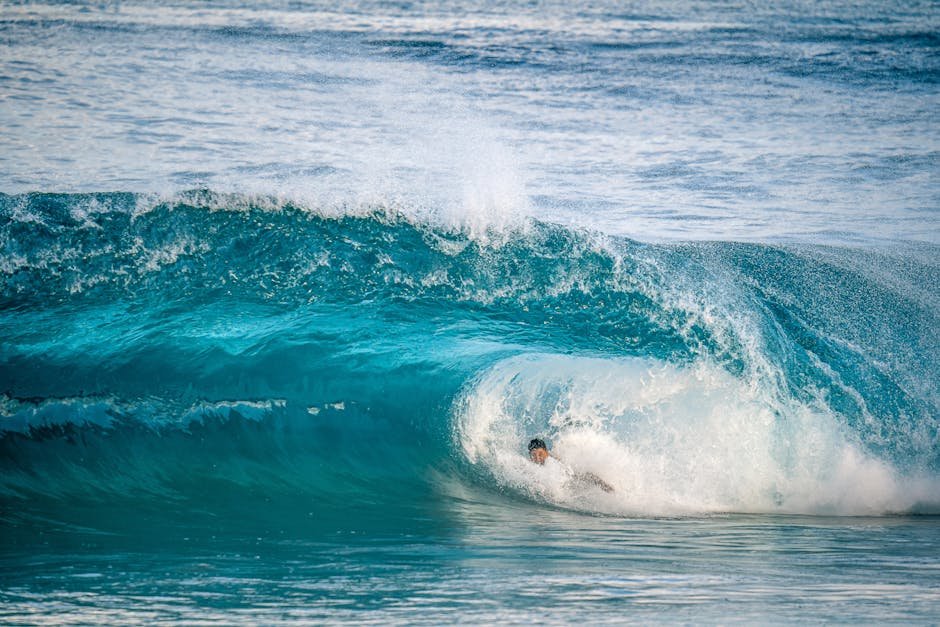
This 100-500mm? It’s powerful, yeah, but surprisingly light. At 100mm, things are fairly compressed. But then? You crank it to 500mm. Serious zoom. Picture this: You’re shooting out at Pipeline. Someone’s paddling out, maybe 100-150mm. Then, boom, they drop in on a wave. You’re instantly zooming to 300-400mm for that perfect, tight shot. This focal range? It’s just awesome for land-based surf action. Totally key.
Out in the Water? Grab a 24-105mm – It Does Everything
Now, stepping into the ocean? That totally changes the game. Forget that super long lens. The one everybody goes to for in-water photography? Many pros absolutely swear by the 24-105mm F4. Why that specific one? Because it covers a truly sweet spot. It just works.
Talk to people like Stu Gibson, the marketing director for AquaTech, they’ll tell you the same thing: the ideal in-water focal length usually hovers somewhere between 35mm and 150mm, sometimes even 200mm. The 24-105mm slides right into that range, perfectly. It’s wide enough for a massive shore break shot. And if you need to zoom a bit for a longboarder? You got it handled. From the big swells of Waimea Bay to the consistent lines of Pipeline, this lens handles it all. And it’s the most flexible optic for getting in there with the waves, whatever the situation.
Sharpness? It’s Not Always f/2.8 – Often It’s Mid-Range
Here’s a common mix-up: Everyone thinks f/2.8 is king, that they need that super-wide aperture. But honestly? You might not even need it. Many photographers find their lenses hit peak sharpness right there in the middle, usually around f/7.1 to f/8. That’s the sweet spot.
Think about it for a second. You’re mostly shooting outdoors, often with hella bright sunlight. Even at sunset, modern camera sensors are so good these days. That extra bit of light from an ultra-wide open f/2.8 isn’t usually the make-or-break difference. Seriously, don’t ditch precious focal length for merely a wider aperture.
Focal Length Over F-Stop: Know What You Need, Not Just ‘Fast Glass’
It just boils down to picking the right tool for whatever job you’ve got. That 24-105mm F4, for instance, often wins out over a 24-70mm F2.8 when you’re right there in the water. Why? Because that additional 35mm of reach at the long end (70mm to 105mm) often proves way more valuable than just having a simply wider aperture.
It gives you more options, too. More ways to adapt to the changing sets and the surfer’s quick movements. That added flexibility is a huge vibe, letting you nail shots you might totally miss otherwise. And another thing: It’s why many who switched from EF to RF glass found themselves heading straight back for the 24-105mm F4 again and again.
Lens Extenders? Think Twice. Maybe Rent First
So you want to push that zoom even further? Lens extenders, like a 2x teleconverter, might seem like a solid idea, look tempting. But here’s the kicker: they magnify everything. Especially camera shake. That’s a big problem.
You’re zoomed in twice, yeah, but every single tiny tremor? Suddenly it’s extreme. This makes them a real pain, especially for video. For still photography, they’re super niche. Unless you absolutely know you need one, and have tested it extensively, then seriously, skip buying a lens extender outright. Your best bet? Rent one for a day, or borrow from a buddy. See if those trade-offs are actually worth it for your specific shooting style.
Capturing those epic waves just demands smart gear choices. It’s not about the most expensive lens. No, it’s about the one that truly serves your purpose. So next time you hit the coast, camera in hand, think about this stuff. Happy shooting!
Frequently Asked Questions
Q1: Land-based surf photography: What’s the best lens?
A1: A 100-500mm lens is highly recommended. Because it’s so flexible, letting photographers grab surfers at various distances from shore with surprising lightness.
Q2: 24-105mm F4 vs. 24-70mm F2.8 for water shoots? Why 24-105mm?
A2: The 24-105mm F4 gives you way more focal length (all the way up to 105mm), which is usually more helpful for different surf situations than the slightly wider aperture of the 24-70mm. Modern cameras and the typical sweet spot for sharpness (f/7.1-f/8) just mean you don’t need super-wide apertures when there’s plenty of light.
Q3: Lens extenders (2x teleconverter)? Worth it for surf?
A3: They give you more zoom, sure. But extenders can hugely magnify camera shake, and are considered super niche for dedicated surf photography. It’s really smart to rent or borrow one first. Before you buy. It’s to make absolutely sure it fits your specific setup without messing up image stability.